
Your pet can't tell you when the house feels too loud, too bright, or too unpredictable. But they're already showing you.
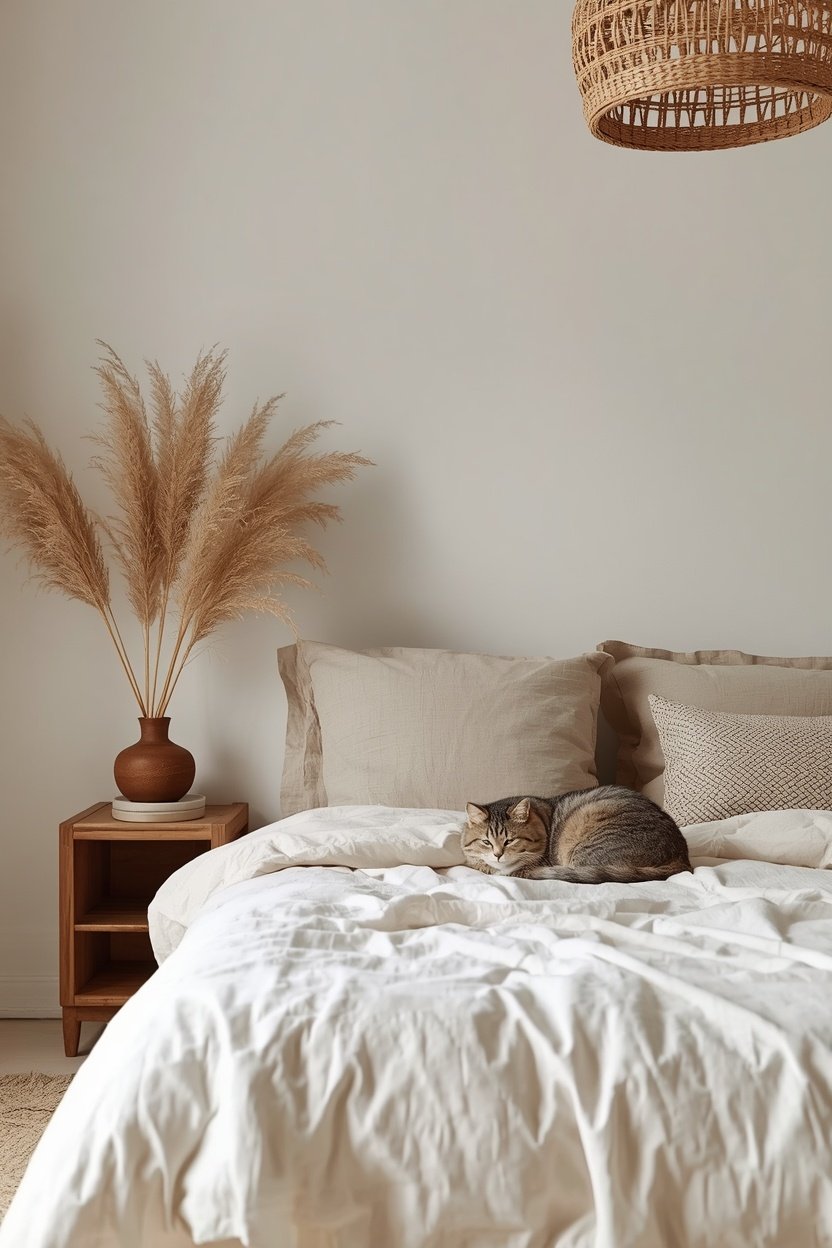
Pets don't need a perfect home. They need a home where they feel safe, comfortable, and know what to expect.
A noisy television, constant movement, unpredictable schedules, or a lack of personal space can make dogs and cats feel anxious without us realizing it. The good news is that a calmer home doesn't require renovations or complicated training.
Most of the changes below are free habits. A few are small comforts that make those habits easier, like a cozy bed or softer lighting, and we've linked the ones we'd look at along the way. Here are seven practical ways to help your pet feel more relaxed and secure every day.
Some links in this article are Amazon affiliate links. If you buy through them, we may earn a small commission at no extra cost to you.
Why a Calm Home Matters
Just like people, pets are affected by their environment. When a home feels chaotic, stress can show up in different ways:
- Excessive barking or meowing
- Hiding more often
- Restlessness
- Destructive chewing or scratching
- Sleeping too much or too little
- Changes in appetite
Not sure what you're seeing? Our guide to the 7 signs your pet is stressed at home explains what each one can mean. A peaceful environment helps pets feel secure, confident, and emotionally balanced.
1. Create a Calm Corner
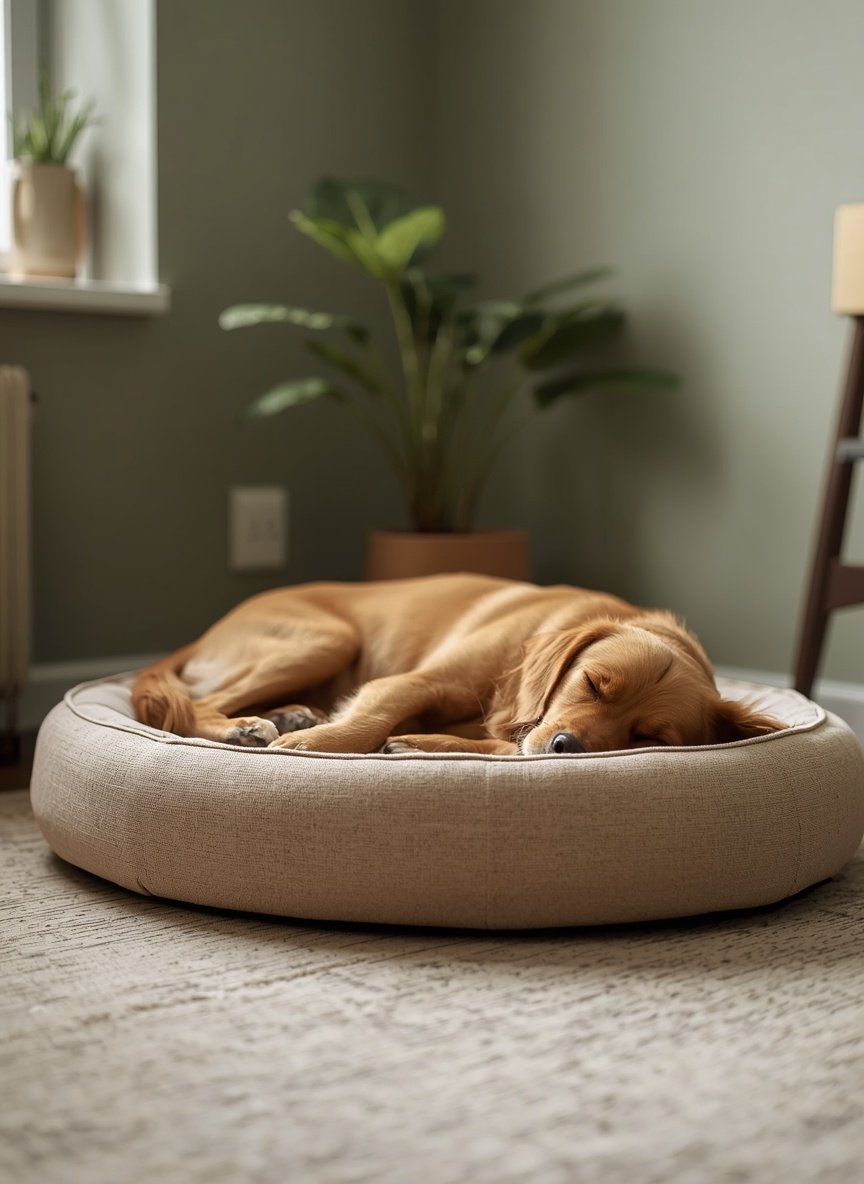
Every pet should have one place they can call their own. A calm corner is a quiet area where your dog or cat can relax without interruptions. It doesn't need to be large. A comfortable bed, a soft blanket, and a favorite toy are often enough.
Choose a spot away from busy hallways, loud speakers, and frequently opened doors. For dogs, a supportive cozy dog bed gives them a clear "this is my spot" signal. For cats, a snug cat bed tucked into a quiet nook does the same job.
2. Build a Predictable Daily Routine
Pets thrive on routine. Knowing when they'll eat, play, walk, and sleep helps reduce uncertainty. Try to keep these activities around the same time each day:
- Morning walks
- Meals
- Playtime
- Quiet time
- Bedtime
Even small routines help pets feel more confident because they learn what comes next. Want to go deeper? Read how a simple daily routine helps your pet feel calm and secure.
3. Give Your Pet a Quiet Space
Sometimes pets simply need silence. Busy households, children, visitors, or household appliances can become overwhelming. Create opportunities for quiet moments by:
- Closing noisy doors
- Turning off unnecessary televisions
- Providing a room where your pet can retreat
- Respecting their space when they're resting
A quiet home doesn't have to be completely silent. It simply needs moments of calm.
4. Choose Soft, Comfortable Lighting
Lighting affects more than your home's appearance. Bright lights late at night can interrupt your pet's natural sleep cycle. Instead, consider:
- Natural daylight during the day
- Warm lighting in the evening
- Avoiding flashing lights near resting areas
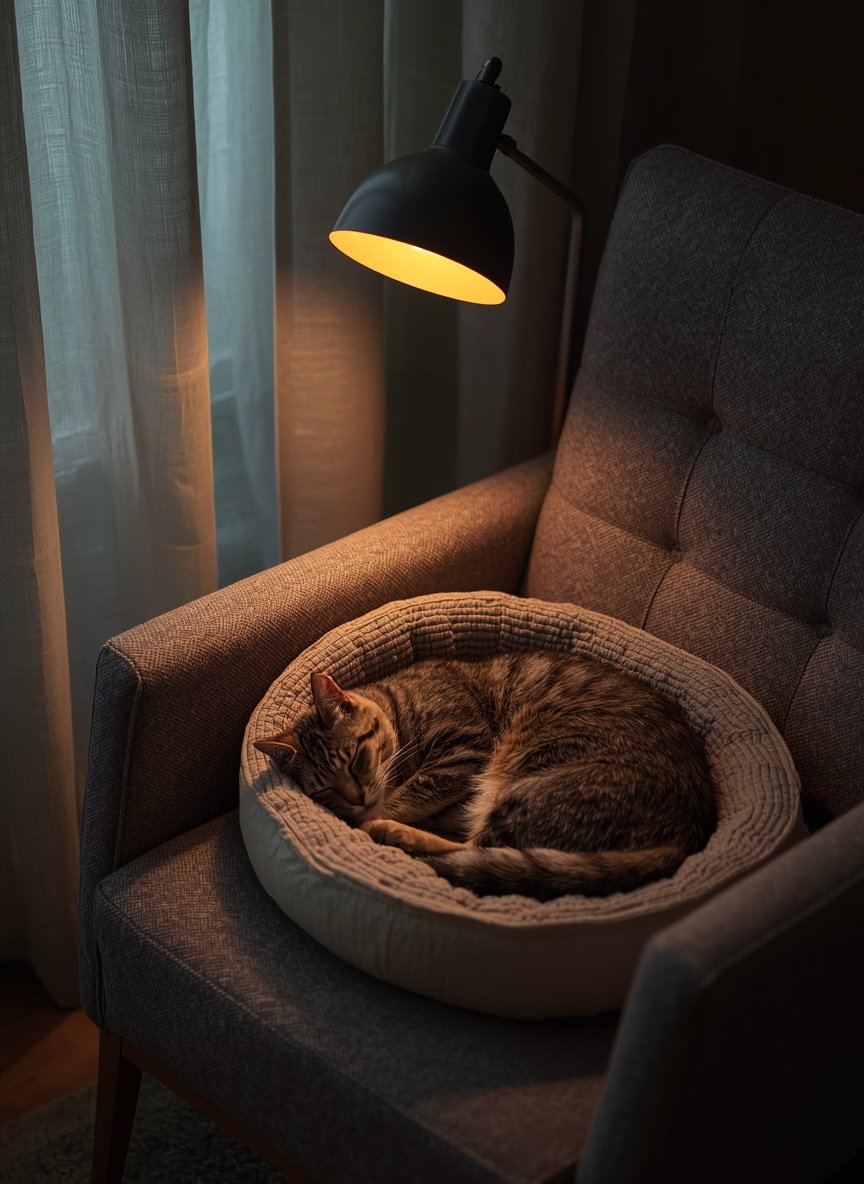
In the evening, swapping harsh overhead lights for a warm lamp creates a gentler, cozier atmosphere for pets and people alike. Just keep cords out of reach and place the lamp where it can't be knocked over.
5. Reduce Everyday Noise
Many pets hear sounds that humans barely notice. Vacuum cleaners, loud televisions, fireworks, and even constant phone notifications may increase stress. Simple ways to reduce noise include:
- Lower TV volume
- Close windows during heavy traffic
- Use rugs and curtains to soften echoes
- Avoid sudden loud sounds whenever possible
A quieter environment encourages deeper rest and relaxation.
6. Make Comfort a Priority
Comfort means more than a soft bed. Think about the small details that help your pet relax:
- Fresh water
- Clean bedding
- Comfortable room temperature
- Easy access to favorite resting spots
- Safe places to observe the family
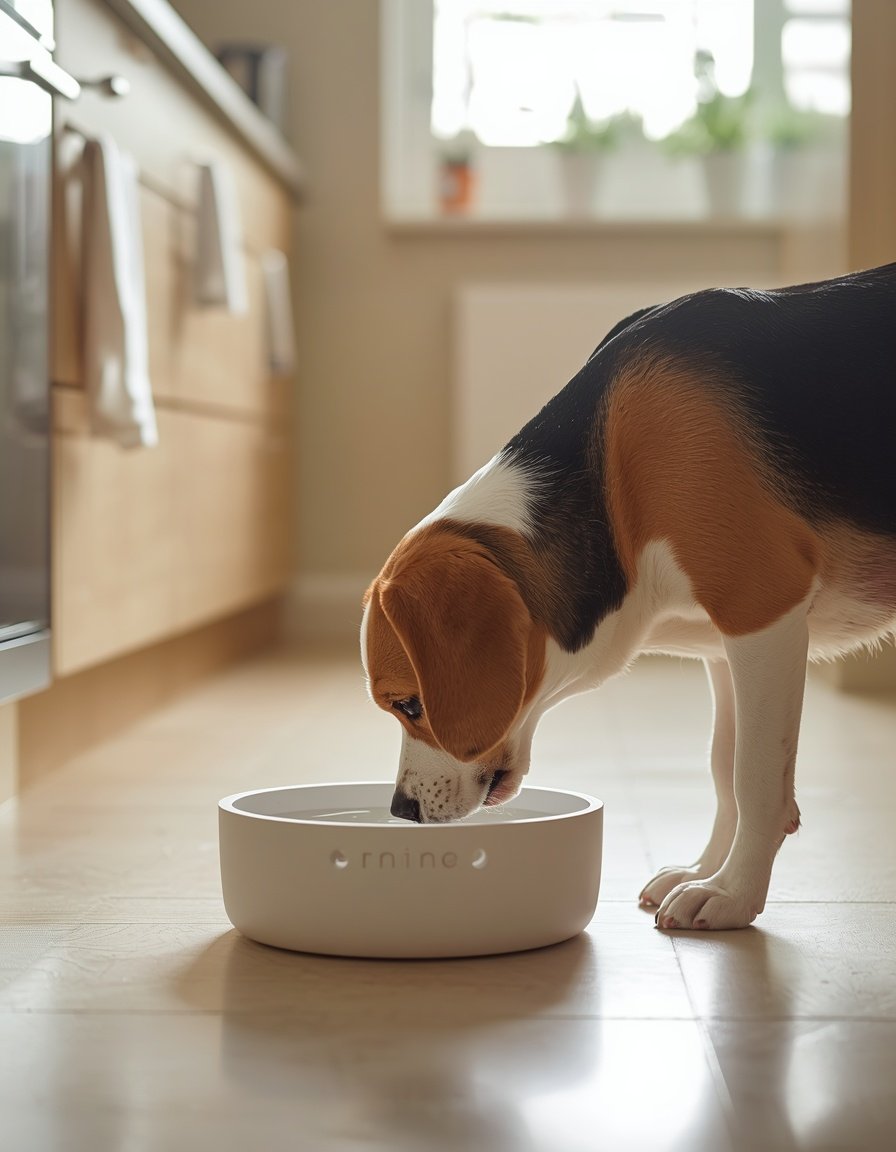
Fresh water is the easiest one to overlook. Some pets drink more willingly from moving water, so a pet water fountain can be worth trying if your pet is a picky drinker. A comfortable pet is often a calmer pet.
7. Spend Quality Time Together
One of the most effective ways to reduce stress costs nothing. Spend intentional time with your pet every day. Whether it's:
- A gentle walk
- Playtime
- Grooming
- Quiet cuddles
- Simple training sessions
These moments strengthen trust and help your pet feel emotionally secure.
Small Changes Create Big Results
Creating a calm home isn't about buying more things. It's about understanding what your pet needs to feel safe and loved. Start with one small improvement today. Perhaps it's a quiet corner, a steady routine, or simply lowering the noise around your home.
If you'd like to make your pet's space a little more inviting, these are the comforts we'd start with:
- For dogs: a cozy dog bed
- For cats: a soft cat bed
- For evenings: a warm lamp
- For daily comfort: a pet water fountain
Every pet is different, so start with whichever one fits your home best.
🌿 HelloOhNest InsightA peaceful home benefits everyone, including your pets. By creating a safe space, keeping a routine, reducing unnecessary noise, and focusing on comfort, you're building an environment where your furry companion can truly thrive.
Every small step you take today helps create a happier, calmer home tomorrow.
Frequently Asked Questions
How can I tell if my pet is stressed?
Common signs include excessive barking or meowing, hiding, pacing, destructive behavior, changes in appetite, and unusual sleeping habits. If these behaviors continue, it's a good idea to consult your veterinarian. You can also read our guide to the 7 signs your pet is stressed at home.
Do cats need a calm corner too?
Absolutely. Cats naturally seek quiet, elevated, and secure spaces where they can observe their surroundings and rest without being disturbed. A snug cat bed in a quiet spot is an easy place to start.
Can a daily routine really reduce anxiety?
Yes. Predictable feeding times, walks, play sessions, and bedtime routines help pets understand what to expect, which can reduce stress and build confidence.
Is a calm home expensive to create?
Does a pet water fountain really help?
Some pets seem to prefer moving water and drink more readily from a fountain, but every pet is different. Whatever you choose, keep the water fresh and the bowl or fountain clean. If your pet's drinking habits change suddenly, check in with your veterinarian.
With love, The HelloOhNest Team 🌿
Disclosure: Hello Oh Nest is a participant in the Amazon Services LLC Associates Program, an affiliate advertising program designed to provide a means for sites to earn advertising fees by advertising and linking to Amazon.com. As an Amazon Associate, we earn from qualifying purchases at no extra cost to you. We only recommend products we believe may be genuinely helpful for pets and their homes. This article is for general information and does not replace advice from your veterinarian.