
Learn how to recognize the early warning signs before small problems become bigger ones.
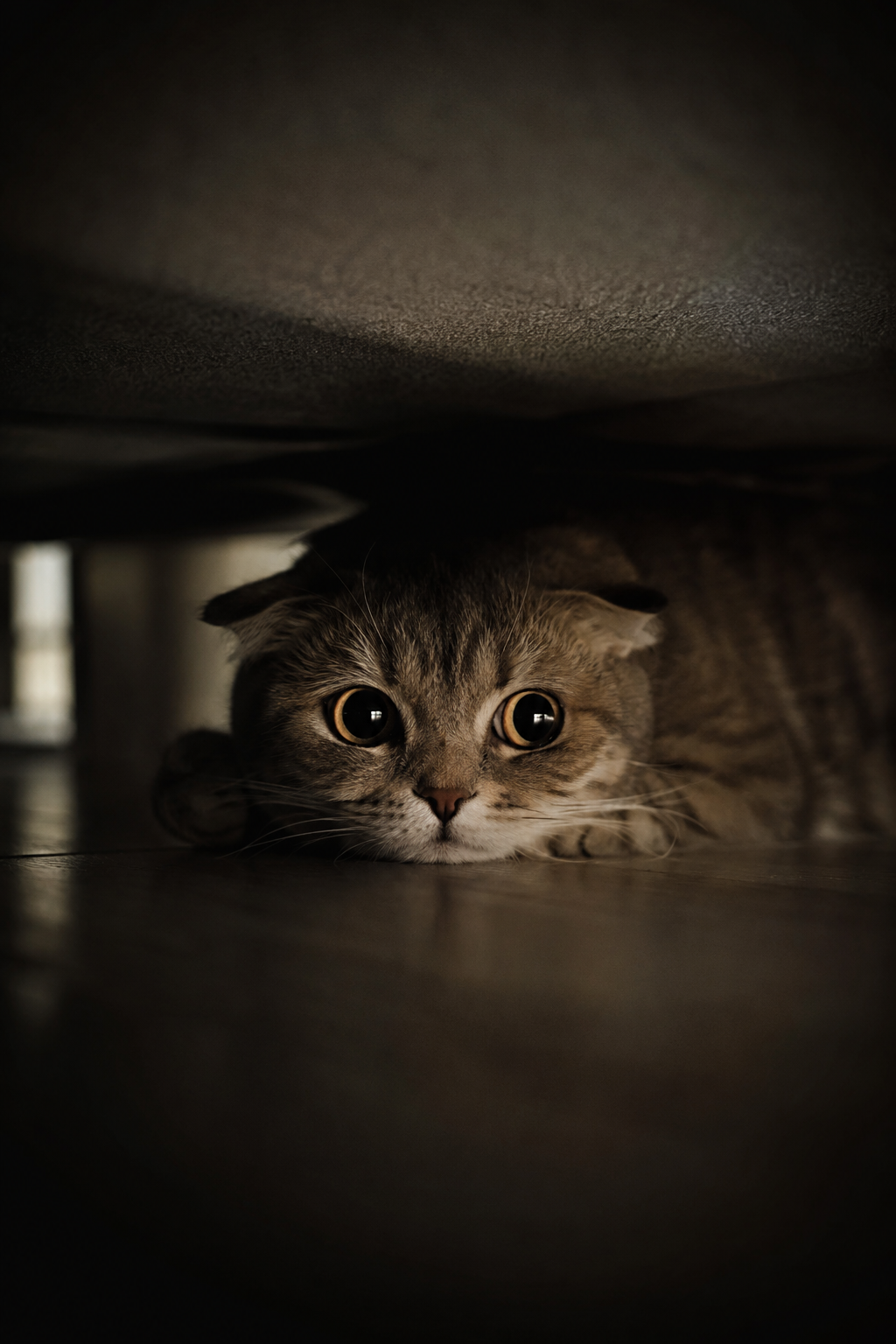
Have you ever wondered why your dog suddenly barks at nothing? Or why your cat spends more time hiding under the bed than playing?
Many pet parents assume these behaviors are simply part of their pet's personality. But in reality, they can be subtle signs of stress.
Unlike people, dogs and cats can't tell us when they're feeling overwhelmed. Instead, they communicate through changes in their behavior.
The good news? Once you recognize the signs, small changes at home can make a big difference. Let's look at seven common signs your pet may be trying to tell you they need a little extra comfort and support.
1. Excessive Barking or Meowing
Not every bark or meow is a problem. But if your pet suddenly becomes much more vocal than usual, it may be their way of expressing stress, frustration, or loneliness.
Common causes
- Loud environments
- Boredom
- Changes in routine
- Being left alone for long periods
What you can do
✔ Keep a consistent routine.
✔ Provide daily exercise and mental stimulation.
✔ Avoid yelling, which may increase anxiety.
✔ For dogs that bark when the house feels tense or noisy, some owners add a plug-in calming pheromone diffuser to the room where their dog spends the most time. It works quietly in the background alongside routine and exercise.
2. Hiding More Than Usual
Cats naturally enjoy quiet places, and some dogs also seek privacy. However, if your pet suddenly starts hiding much more often, it may indicate they no longer feel safe or comfortable.
Common causes
- New visitors
- Loud noises
- Home renovations
- New pets
- Major life changes
What you can do
Create a calm, quiet space where your pet can retreat without being disturbed. Keep a bed, water, and a litter box or favorite blanket nearby so they never have to leave their safe spot to meet basic needs.
For cats, a Feliway Optimum diffuser placed near that retreat is a simple extra layer. It releases a feline pheromone that is designed to help cats feel more settled after a change at home.
3. Destructive Behavior
Has your dog started chewing furniture? Is your cat scratching the sofa more than usual? Destructive behavior is often a sign of excess energy, boredom, or emotional stress, not bad behavior.
Common examples
- Chewing shoes
- Destroying cushions
- Scratching doors
- Digging indoors
What you can do
Increase playtime, provide enrichment toys, and make sure your pet has healthy outlets for their energy. Offer a scratching post near the spot your cat keeps targeting.
If scratching seems tied to stress, a smart cat calming diffuser with a timer can help you keep a steady calming routine going throughout the day, without having to remember to turn it on.
4. Sleeping Too Much (or Too Little)
A relaxed pet enjoys regular sleep. But sudden changes in sleeping habits can sometimes indicate emotional or physical discomfort. If your pet seems unusually tired, restless, or struggles to settle down, it's worth paying attention.
Look for changes such as
- Sleeping all day
- Pacing at night
- Difficulty relaxing
- Frequently changing resting spots
5. Separation Anxiety
Many pets become anxious when left alone. Some signs include:
- Barking after you leave
- Scratching doors
- Following you everywhere
- Refusing to eat
- Accidents inside the house
Separation anxiety is common, especially in pets that are strongly attached to their owners. Fortunately, gentle training and predictable routines can often help improve their confidence over time.
Short, calm departures and arrivals (no big goodbyes) help a lot. Some owners also like to pair training with a calming pheromone collar, since it goes with the dog on walks and around the house rather than staying in one room.
6. Changes in Appetite
Stress doesn't only affect behavior. It can also affect eating habits. Some pets lose interest in food, while others may overeat for comfort.
If changes last more than a day or two, especially when accompanied by other symptoms, it's a good idea to consult your veterinarian.
7. Restlessness or Pacing
Does your pet seem unable to settle down? Walking in circles, pacing from room to room, or constantly changing positions may be signs that something in their environment is making them uneasy.
Sometimes the solution is surprisingly simple:
- More exercise
- A quieter environment
- A consistent routine
- A dedicated resting area
Why Early Signs Matter
Stress doesn't always appear overnight. Small behavioral changes are often your pet's first way of asking for help.
The sooner you notice these signs, the easier it is to make simple adjustments before stress develops into more serious behavioral or health problems.
These Simple Changes May Help
If you've noticed one or more of these signs, don't panic. Many pets respond well to small improvements in their daily environment.
Consider starting with:
- Creating a calm corner where they can relax
- Keeping a consistent feeding and walking schedule
- Reducing unnecessary household noise
- Providing interactive toys for mental stimulation
- Making sure they always have a comfortable place to rest
Sometimes, the smallest changes create the biggest improvements.
Start with routine, space, and exercise first. Once those are in place, a calming product can be a nice extra layer of support. These are the ones we'd look at:
- For cats: the Feliway Optimum diffuser kit, or a smart calming diffuser with a timer if you like a set-and-forget schedule.
- For dogs: a pheromone diffuser kit for the room they relax in, or a calming collar that stays with them all day.
Every pet responds differently, and these products are meant to support, not replace, good routines or veterinary advice.
When Should You See a Veterinarian?
While occasional stress is normal, persistent behavioral changes should never be ignored. Contact your veterinarian if your pet:
- Stops eating
- Becomes aggressive without warning
- Shows signs of pain
- Experiences sudden personality changes
- Continues showing stress for several weeks
A professional examination can help rule out underlying medical conditions.
Final Thoughts
Your pet may not be able to say, "I'm stressed," but their behavior often speaks for them.
By paying attention to these early signs and making thoughtful changes at home, you can help your dog or cat feel safer, happier, and more relaxed every day.
A calm home doesn't have to be perfect. It simply needs to be a place where your pet feels loved, understood, and secure.
Ready for the next step? Read our guide, How to Create a Calm Home for Your Pet, to learn practical ways to reduce stress through better routines, quieter spaces, and thoughtful home design.
With love, from our nest to yours. 🪺
Disclosure: Hello Oh Nest is a participant in the Amazon Services LLC Associates Program, an affiliate advertising program designed to provide a means for sites to earn advertising fees by advertising and linking to Amazon.com. As an Amazon Associate, we earn from qualifying purchases at no extra cost to you. We only recommend products we believe may be genuinely helpful for pets and their homes. This article is for general information and does not replace advice from your veterinarian.