
Small daily habits that build trust, confidence, and happiness
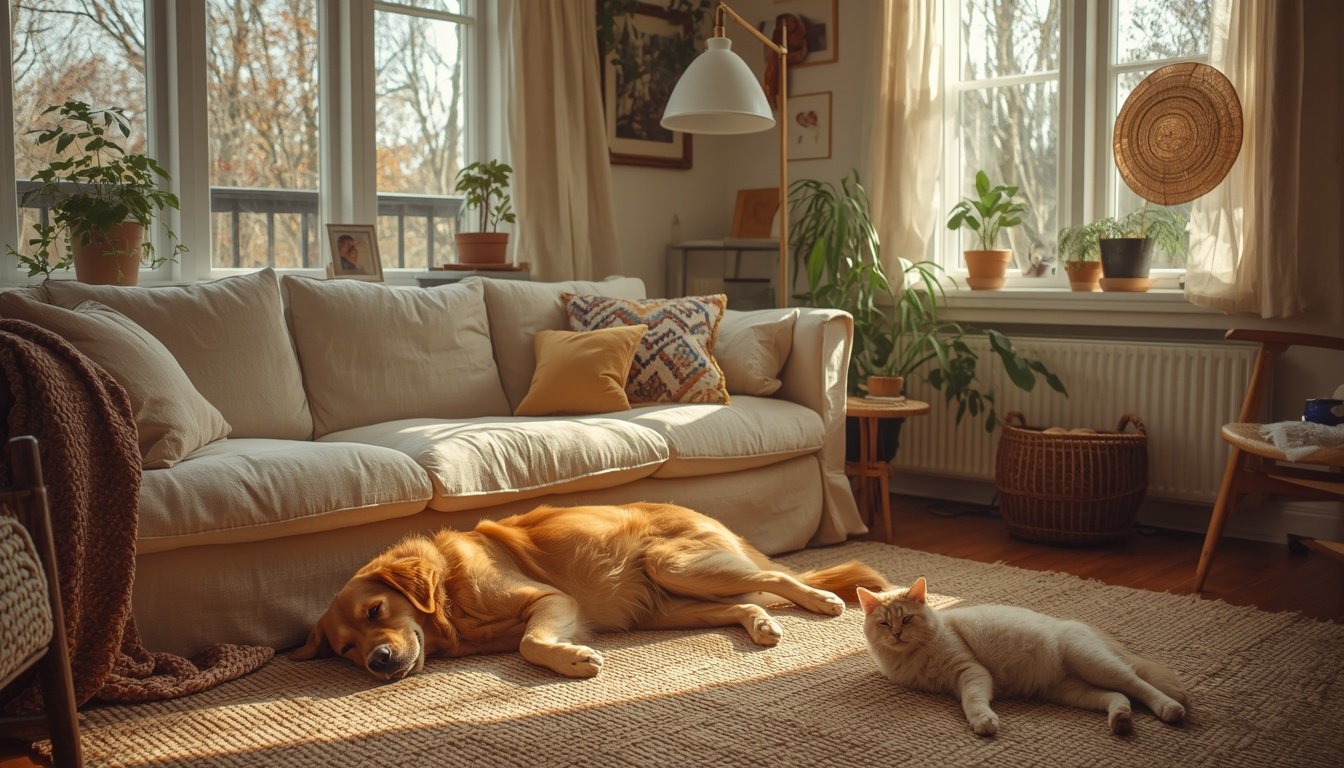
Have you ever noticed how excited your pet gets when it's time for a walk or dinner? That's because pets love knowing what comes next.
While we often enjoy variety and spontaneity, dogs and cats thrive on routine. Predictable daily habits help them understand their world, reducing uncertainty and creating a sense of security.
If your pet seems anxious, restless, or easily startled, the answer may not be an expensive product at all. It may simply be a more consistent day. Let's look at how a few small habits can help your pet feel calmer and more confident.
Some links in this article are Amazon affiliate links. If you buy through them, Hello Oh Nest may earn a small commission at no extra cost to you.
1. Why Routine Helps Pets Feel Safe
Pets don't understand calendars, meetings, or work schedules. What they understand is patterns: the sound of the food bag, the leash coming off the hook, the lights going down in the evening.
When those patterns repeat, your pet learns what to expect. Predictability lowers uncertainty, and lower uncertainty means less anxiety.
2. Create a Consistent Feeding Schedule
Mealtime is the anchor of your pet's day. Feeding at similar times each day, and not skipping meals, gives them a reliable rhythm to build everything else around.
If your own schedule is unpredictable, an automatic feeder like this Petkit feeder can keep meals arriving on time even when you're running late.
Fresh water matters just as much. Many pets drink more when the water is moving, and a fountain keeps it fresh and appealing all day. This pet water fountain is a popular choice, and this alternative fountain is worth a look if you prefer a different style.
3. Keep Walks and Playtime Predictable
A morning walk, an evening play session, and indoor games for rainy days give your pet a healthy outlet for energy. Physical activity helps burn off the restlessness that often shows up as barking, scratching, or pacing, so regular exercise is one of the simplest ways to reduce stress.
It doesn't need to be complicated. Same time, same route, same happy routine.
Your pet doesn't need a perfect schedule, only a recognizable one. Think of routine as a gentle map of the day that tells them, "You're safe, and here's what comes next."
4. Balance Activity and Rest
Many owners unintentionally overstimulate their pets. Play, rest, and quiet time are all equally important, and a pet who never gets to wind down can stay on edge even when life is good.
For pets who need extra help settling, some owners find a calming collar useful as part of a quiet-time routine. There are options for both dogs and cats. They work best alongside good habits, not instead of them.
5. Create Daily Moments of Connection
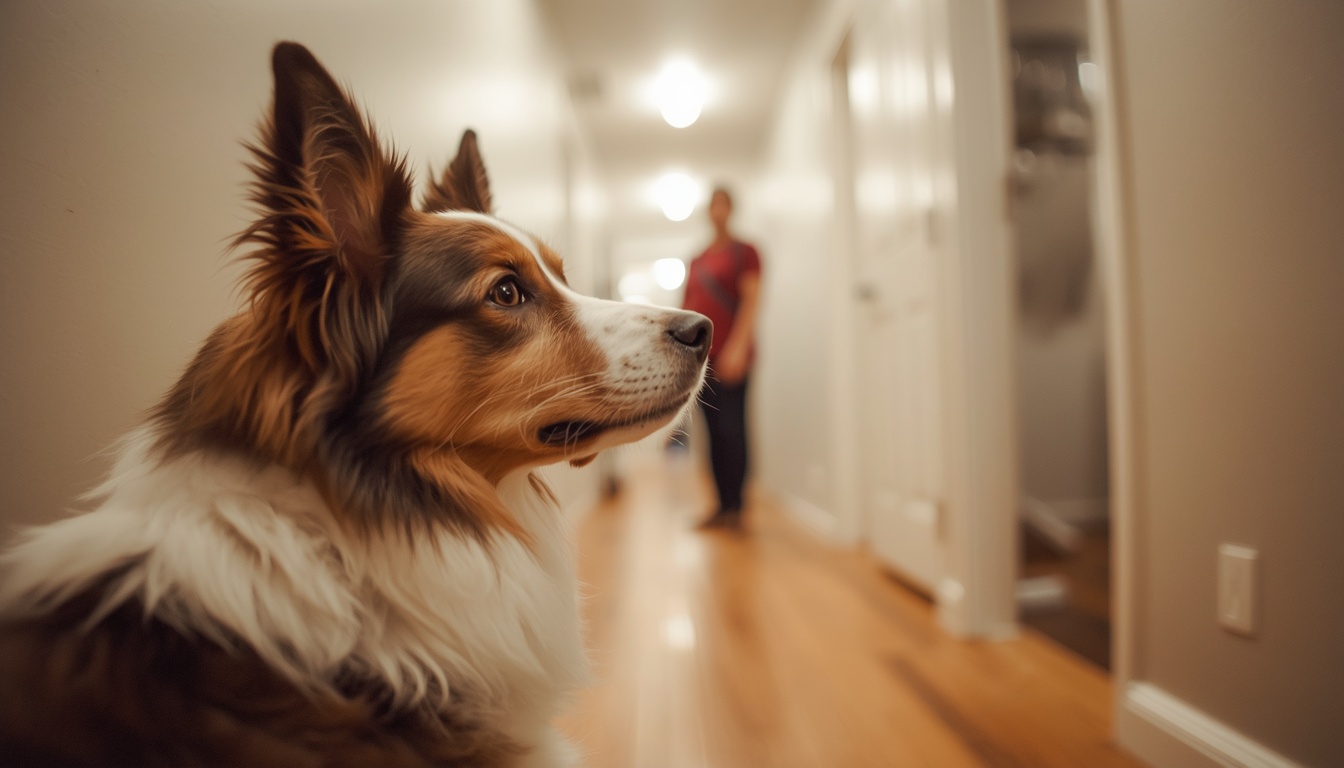
Small, repeated moments of attention build trust faster than occasional big gestures. Try weaving in:
- A five-minute cuddle
- Gentle grooming
- A short training session
- Talking softly to your pet
These moments tell your pet they're seen and safe, and over time they become the favorite part of the day for both of you.
6. Keep Bedtime Consistent
Pets sleep better when the evening follows the same pattern: lights dim, the home gets quieter, and the family settles down. Good sleep supports their emotional health just as it does ours.
A soft, warm light helps signal that the day is ending. A simple dimmable light makes it easy to lower the brightness at the same time every night.
Then give them a spot that is truly theirs. A cushioned pet bed works well for most dogs and cats, and cats who love to burrow often adore a cozy cave style like the Pikaboo cat bed. Saying goodnight in the same cozy spot every evening becomes a comforting ritual of its own.
7. Don't Worry About Being Perfect
Life happens. Missing one walk, or feeding a little later one day, won't harm your pet. Consistency over time matters far more than perfection.
Key Takeaways
- ✔ Pets feel safest when life is predictable.
- ✔ Small routines reduce stress.
- ✔ Calm habits create confident pets.
- ✔ Consistency builds trust.
A calm pet isn't created overnight. It's built through hundreds of small, loving moments repeated every day: feeding them on time, taking a familiar walk, playing together, and saying goodnight in the same cozy spot.
These simple routines become the foundation of a home where your pet feels safe, secure, and deeply loved.
Frequently Asked Questions
How long does it take for a pet to adjust to a new routine?
Many pets settle within one to two weeks, though some need longer. Keep the timing steady and be patient.
Do cats need a routine as much as dogs?
Yes. Cats often hide their stress, but they benefit just as much from predictable meals, play, and rest.
What if my schedule changes from day to day?
Focus on keeping a few anchor points steady, such as meals and bedtime. An automatic feeder can help cover the gaps.
Will a routine fix serious anxiety?
Routine helps a lot, but persistent anxiety or sudden behavior changes deserve a conversation with your vet.
Building a routine is just one part of creating a peaceful home. In our other guides, you'll also learn how to create a calm corner, recognize signs of stress, and make your home even more pet-friendly.
Explore Hello Oh Nest:
If you'd like a head start, these are the items mentioned in this guide:
- Petkit feeder for steady mealtimes
- Fresh water fountains: option one or option two
- Calming collars for dogs and cats
- A cozy pet bed or the Pikaboo cat bed
- A dimmable light for a gentle bedtime
With love, Hello Oh Nest 🌿
As an Amazon Associate, Hello Oh Nest earns from qualifying purchases. This doesn't change the price you pay. See our Affiliate Disclosure.