
Watching your cat sniff a full water bowl and just walk away is worrying — and more common than most pet parents realize.
Low water intake is one of those quiet problems that's easy to miss until it's already affecting your pet's health, especially for cats prone to urinary and kidney issues. One popular fix is a pet water fountain — but is it actually worth buying, or just a gadget marketed to guilt-trip pet parents? Here's an honest breakdown of what a fountain really does, what it costs in upkeep, and whether it's likely to solve the problem for your specific pet.
📋 What You'll Find In This Guide
- Why Running Water Appeals to Cats and Dogs
- Cleaning: What It Actually Takes
- Filters: How They Work and How Often to Replace
- Noise Level: What to Expect
- Electricity & Running Cost
- Where to Place It in Your Home
- Multi-Pet Households: Do You Need More Than One?
- So, Is It Worth It?
- Frequently Asked Questions
Why Running Water Appeals to Cats and Dogs
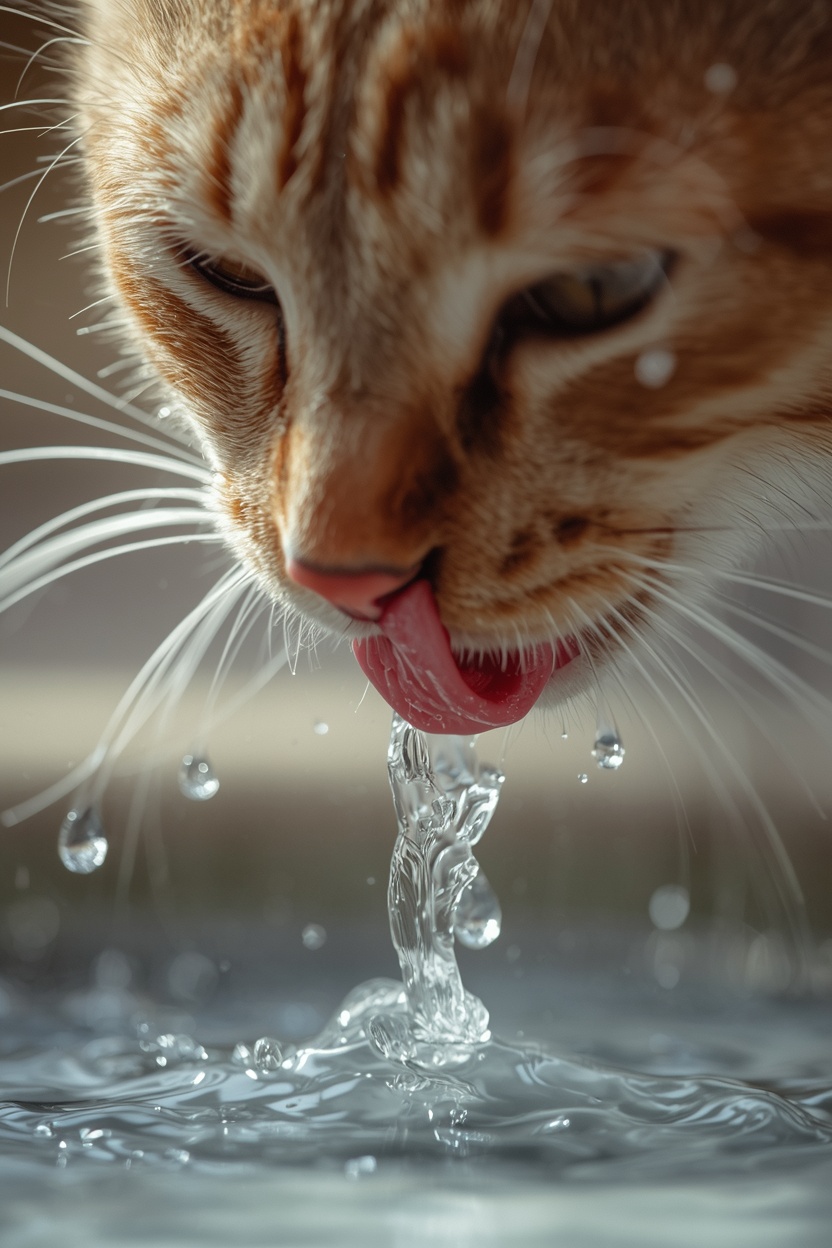
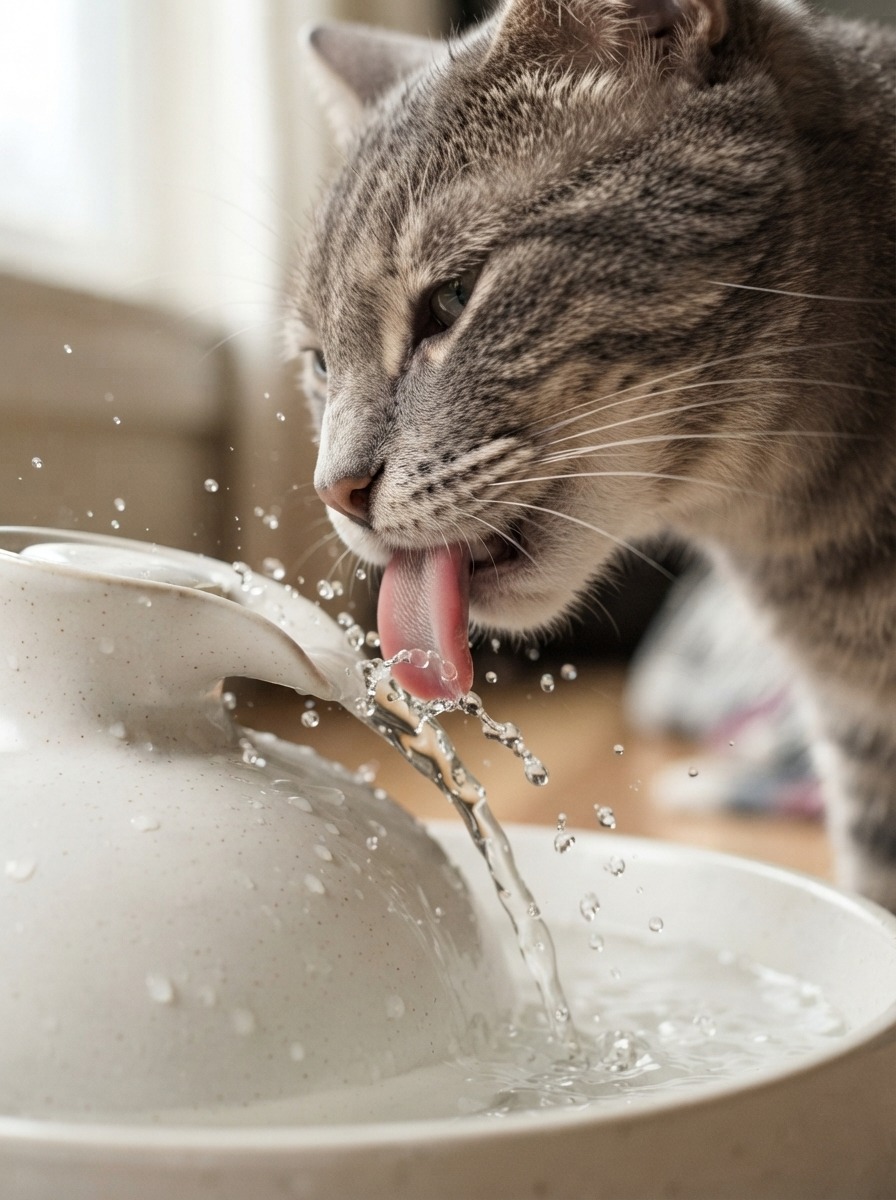
This is the core selling point, and it's rooted in real instinct — in the wild, moving water is generally fresher and less likely to harbor bacteria than still water, so many cats and dogs are simply wired to prefer it.
- Cats in particular are prone to low water intake, which can contribute to urinary and kidney issues over time — anything that encourages more drinking is genuinely useful
- The sound and movement of flowing water often catches a pet's attention and prompts them to drink more frequently throughout the day
- Some pets that ignore a still bowl entirely will drink readily once water is moving — this is one of the most commonly reported reasons owners switch
Cleaning: What It Actually Takes
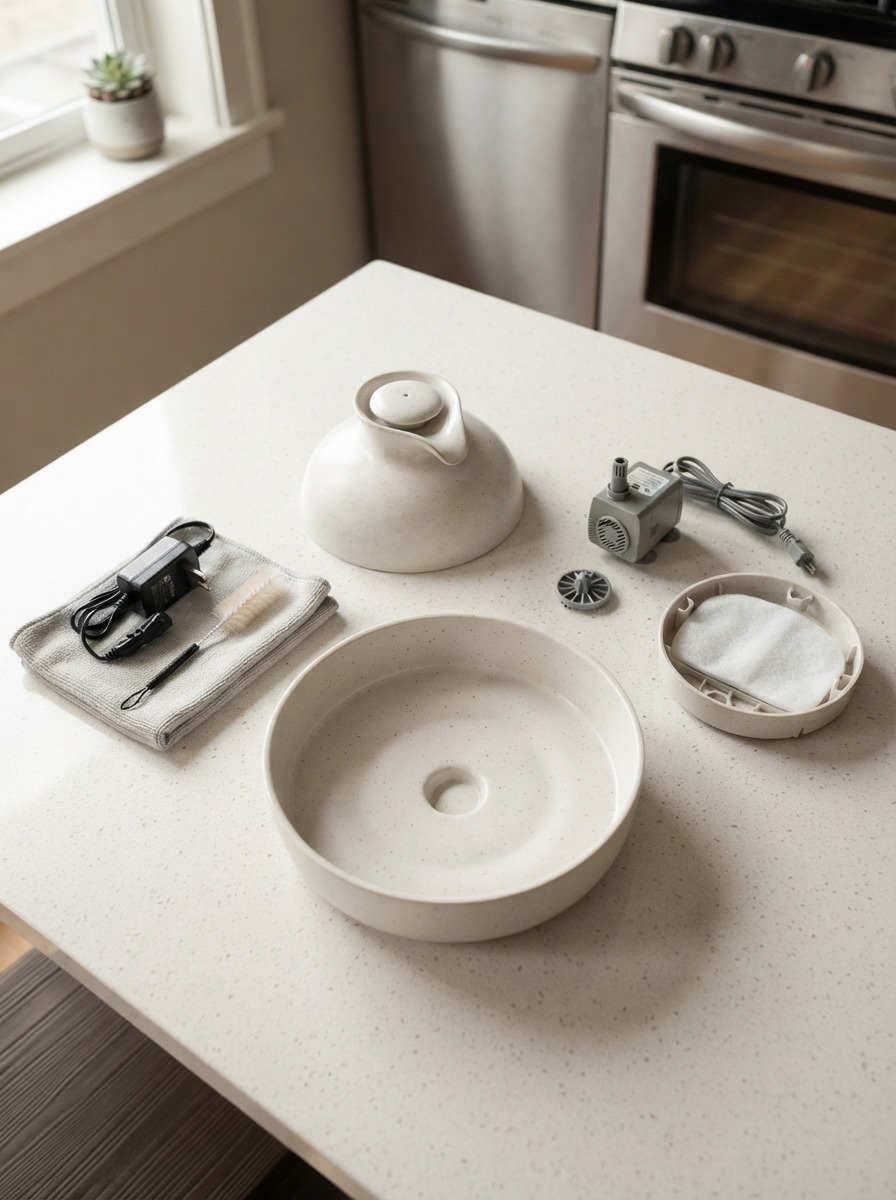
This is the trade-off most people underestimate. A fountain isn't "set and forget" — it needs more regular attention than a bowl to stay genuinely hygienic.
- A full clean (disassembling and washing all parts) is generally recommended weekly, more often in hard water areas or multi-pet homes
- Pump components can develop biofilm or mineral buildup if neglected, which can actually make the water less appealing or clean than a bowl
- Most models are designed for easy disassembly, but it's still an added chore compared to rinsing a bowl
🌿 HelloOhNest Insight
A dirty fountain is worse than a clean bowl — the whole point is fresher water, so skipping cleaning defeats the purpose entirely. If you know you won't keep up with weekly cleaning, a fountain may not be the right fit for your routine right now.
Filters: How They Work and How Often to Replace
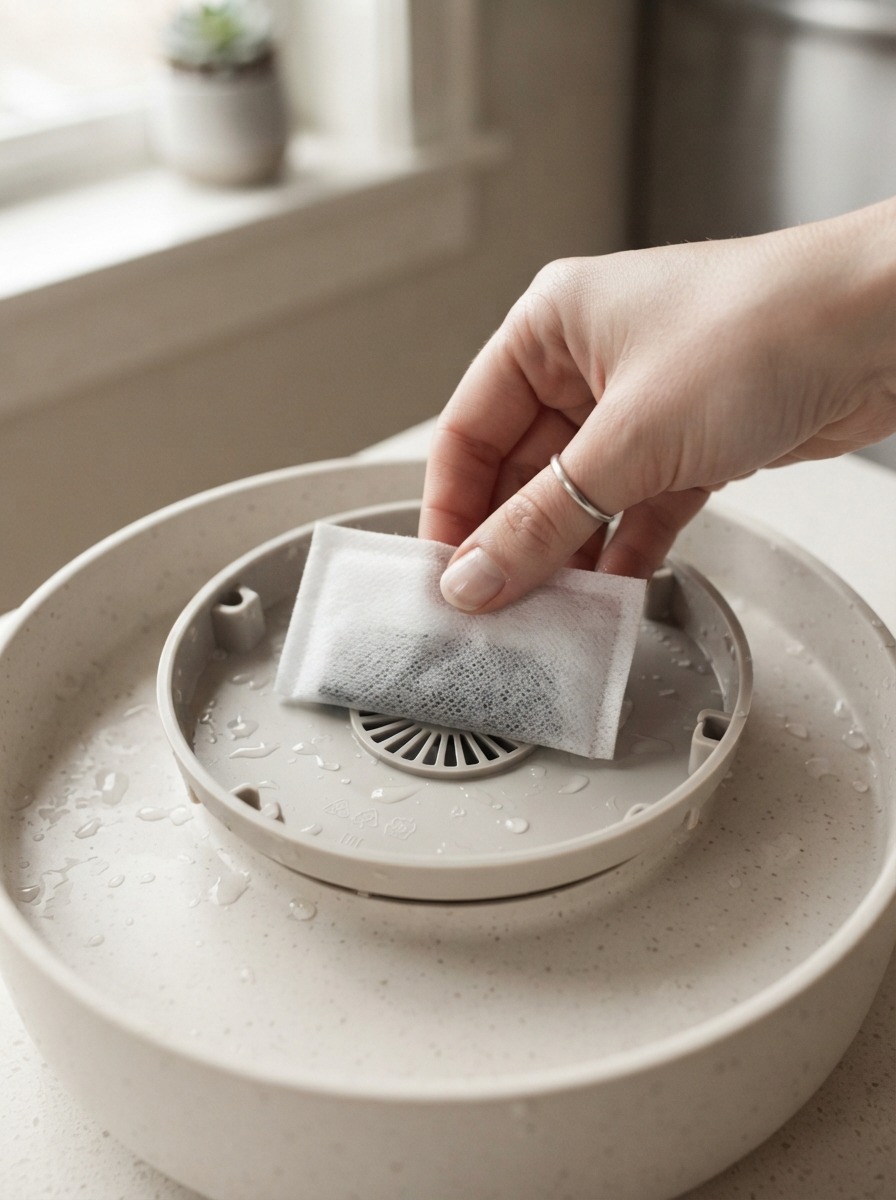
Most fountains use a replaceable carbon filter to reduce odor, debris, and some impurities before water reaches your pet's mouth.
- Typical replacement schedule is every 2–4 weeks, though this varies by brand and water hardness
- Filters are an ongoing cost to factor in beyond the initial purchase — worth checking replacement pricing before buying a specific model
- A filter won't replace regular cleaning; think of it as removing debris and taste, not a substitute for washing the unit
[SOFT CTA — replacement filters] Once affiliate links are live, we'll point you to reliable filter multi-packs here so you're not caught without one.
Noise Level: What to Expect

Most modern fountains are designed to run quietly, but "quiet" varies quite a bit between models and depends heavily on water level and pump condition.
- Ultra-quiet models are usually marketed specifically for bedrooms or noise-sensitive households — worth checking decibel ratings if this matters to you
- A pump running low on water often gets noticeably louder — keeping the reservoir filled prevents most noise complaints
- If you're a light sleeper and plan to keep the fountain in a bedroom, placement further from the bed makes a bigger difference than most people expect
Electricity & Running Cost
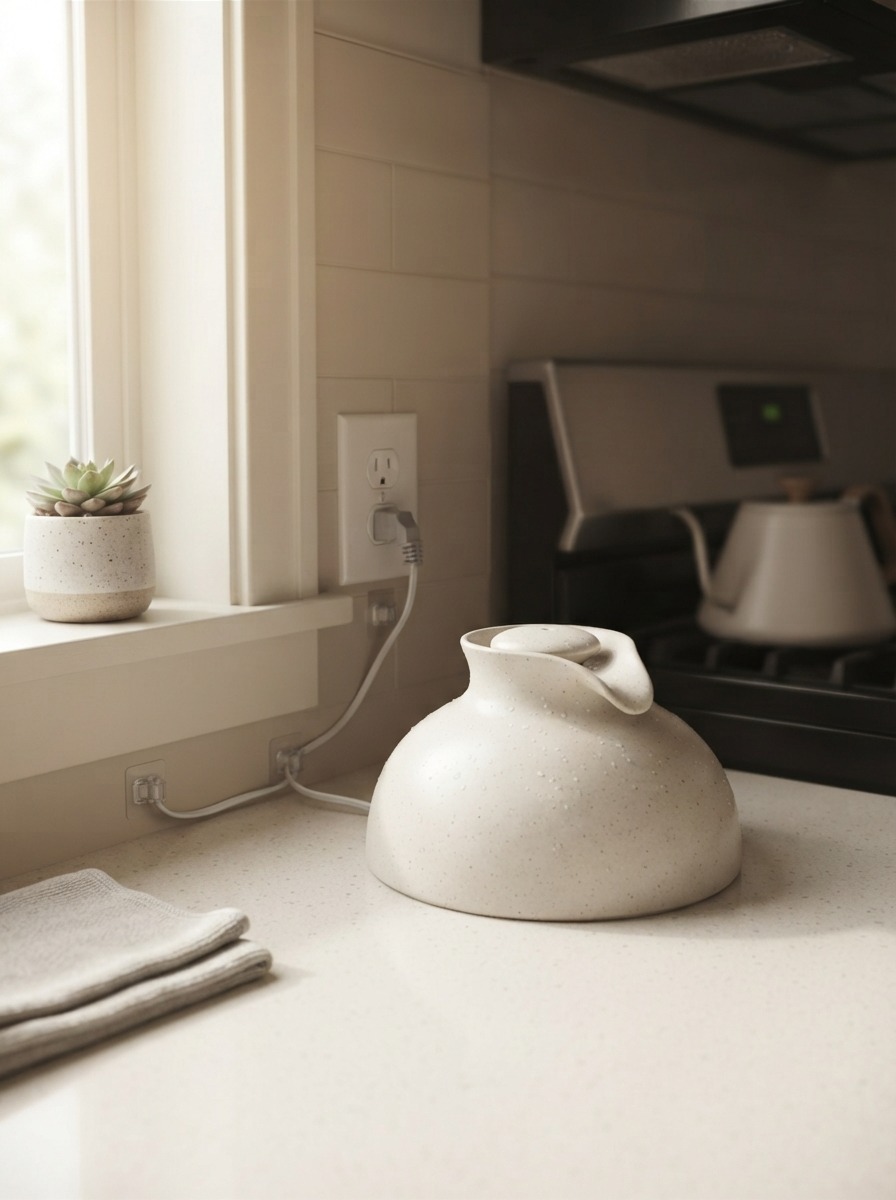
Good news here — pet fountains typically use very little power, since the pumps are small and low-wattage by design.
- Running one continuously usually costs only a few dollars per year in most regions — not a significant factor in the decision
- Battery-powered options exist for spots without a nearby outlet, though they need more frequent maintenance checks than plugged-in models
- If you're concerned about running it 24/7, some models include a timer or low-power mode, though continuous operation is generally fine for cost
Where to Place It in Your Home
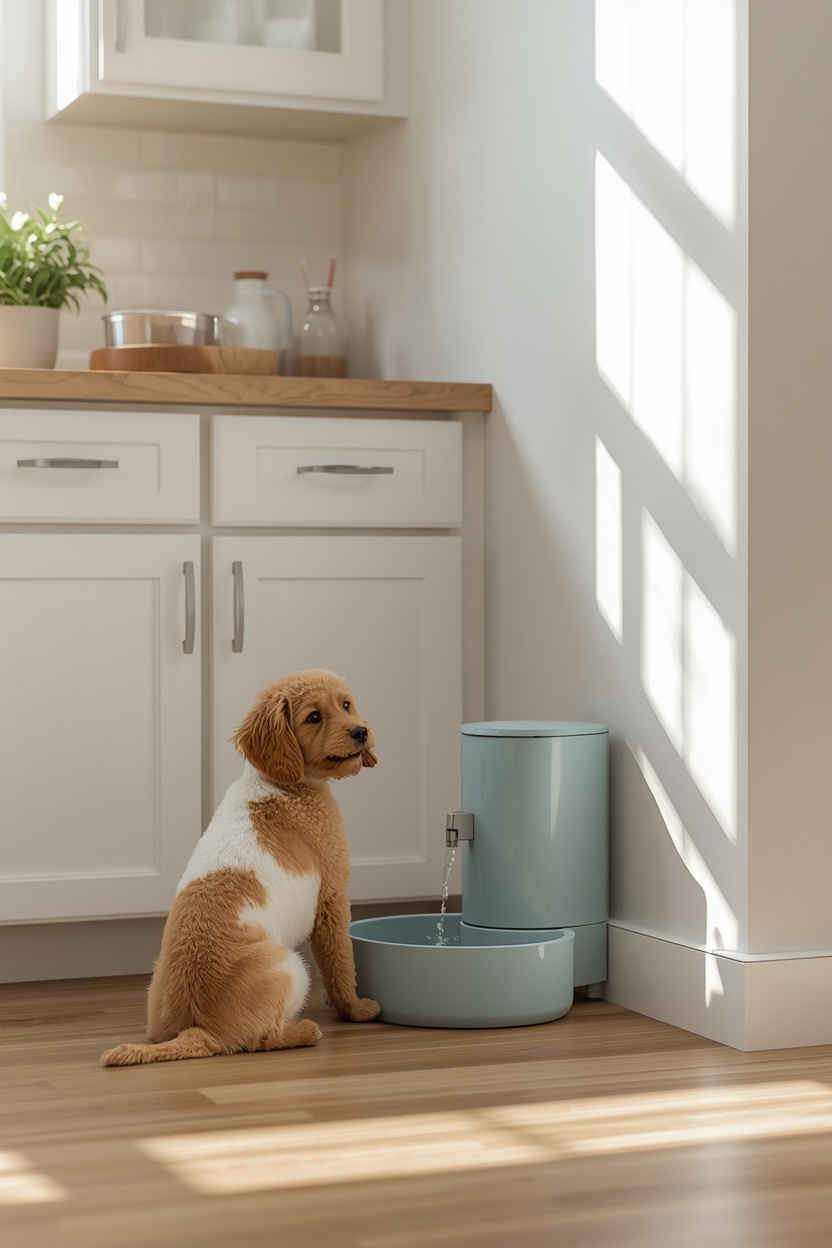
Placement affects both how often your pet actually uses it and how easy it is for you to maintain.
- Keep it near an outlet but away from high-traffic walkways to avoid spills or trip hazards
- Some cats prefer water sources kept separate from food — instinctively avoiding water too close to where prey (or food) once was
- A stable, flat surface prevents tipping, especially with curious cats that like to investigate moving water with a paw
Multi-Pet Households: Do You Need More Than One?
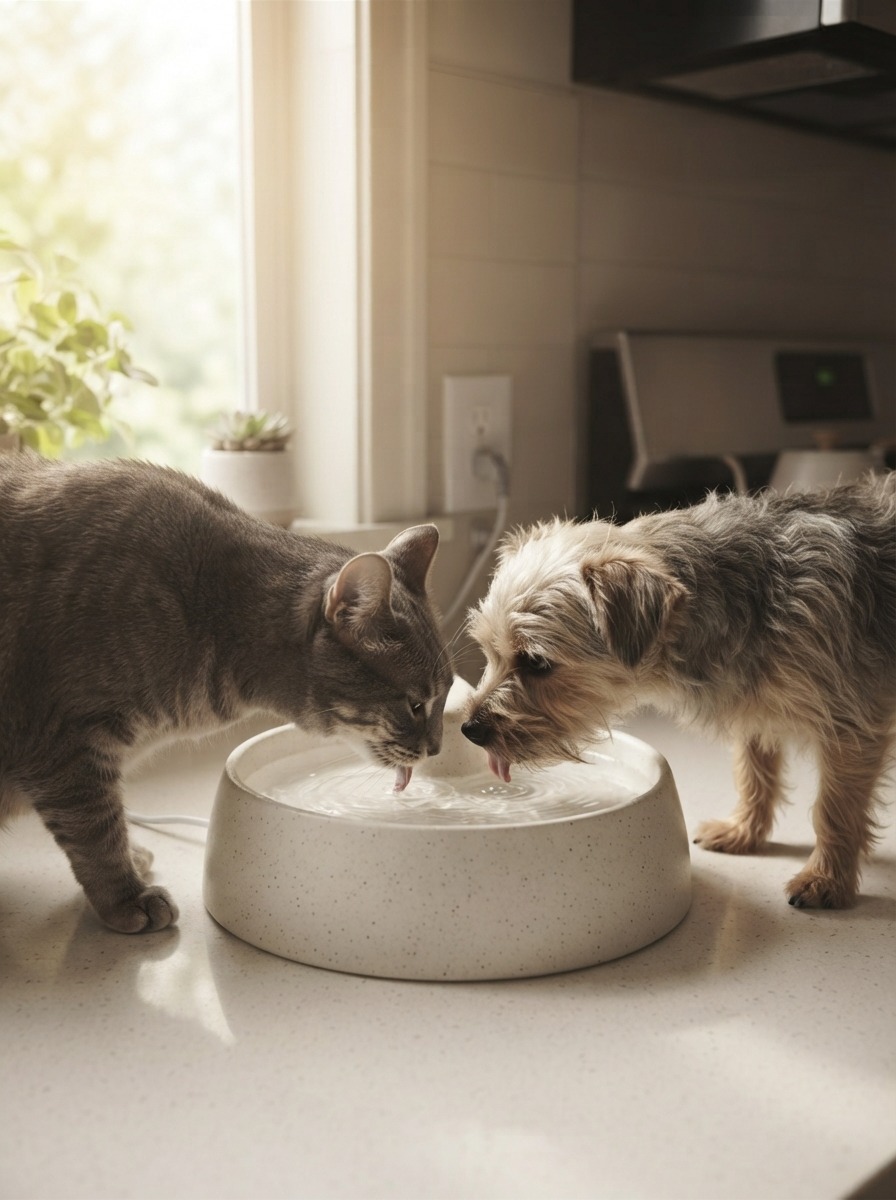
One large-capacity fountain can often serve multiple pets, but a few factors are worth considering before assuming one is enough.
- Look at capacity in relation to total pets — a small fountain designed for one cat will need refilling constantly in a multi-pet home
- In homes with resource-guarding tendencies between pets, a second water source (fountain or bowl) in a separate area reduces competition and stress
- Larger, higher-flow pump models are generally built to handle the demand of 2–4 pets without needing to be refilled multiple times a day
🌿 HelloOhNest Insight
If you have both cats and dogs, watch how each interacts with the fountain individually for the first week — some dogs drink so enthusiastically that the water level (and therefore noise level) drops faster than expected, which is worth knowing before deciding on capacity.
So, Is It Worth It?
Our honest take
For most households — yes, especially if your pet is a picky drinker, you have a cat prone to low water intake, or you simply want fresher-tasting water encouraging more frequent hydration. The trade-off is real: weekly cleaning and periodic filter replacement are genuine ongoing commitments, not one-time setup tasks. If you're confident you'll keep up with that maintenance, a fountain is a small, low-cost upgrade with a meaningful payoff. If cleaning routines tend to slip in your household, a well-maintained bowl, refreshed daily, still does the job well.
🛒 Our Picks — Coming Soon
We're currently finalizing our recommendations across a few categories: best quiet fountain for bedrooms, best large-capacity option for multi-pet homes, and best budget-friendly pick. Affiliate links are pending approval — check back soon, or explore our other Smart Pet Living guides in the meantime.
Frequently Asked Questions
Do pet fountains really encourage cats to drink more water?
Many owners report exactly this, and it aligns with cats' natural preference for moving water. Results vary by individual cat, but it's one of the most commonly cited reasons for switching from a bowl.
Are pet fountains safe to leave running while I'm away?
Yes, most are designed for continuous operation and use very little electricity. Just ensure the reservoir has enough water to last the time you'll be away, since running dry can strain the pump.
What happens if I don't clean the fountain regularly?
Biofilm and mineral buildup can accumulate in the pump and reservoir, potentially making the water less clean than a bowl would be. Regular weekly cleaning is important to actually get the hygiene benefits a fountain promises.
Can I use a fountain for both cats and dogs?
Yes, as long as the capacity and flow rate match the number and size of pets using it. Larger, higher-flow models are generally better suited to mixed or multi-pet households than compact single-cat designs.
With love,
The HelloOhNest Team 🌿