
It's one of the most heart-stopping moments a pet parent can face: the gate swings open, the leash slips, or a thunderclap sends your dog bolting — and suddenly they're gone. Take a breath. Most escaped dogs are found safe, especially when their people act quickly and calmly. This step-by-step plan walks you through exactly what to do in the first few minutes, hours, and days, plus how the right smart collar or GPS tracker can help prevent this scare from ever happening again.
📋 What You'll Find In This Guide
- Why Dogs Escape in the First Place
- The First 5 Minutes: What to Do Immediately
- Search Strategically: A Step-by-Step Search Plan
- Enlist Help: Neighbors, Apps, and Local Resources
- After They're Home: Calming Down and Checking for Injury
- Preventing the Next Escape: GPS Trackers and Smart Collars
- Frequently Asked Questions
Why Dogs Escape in the First Place
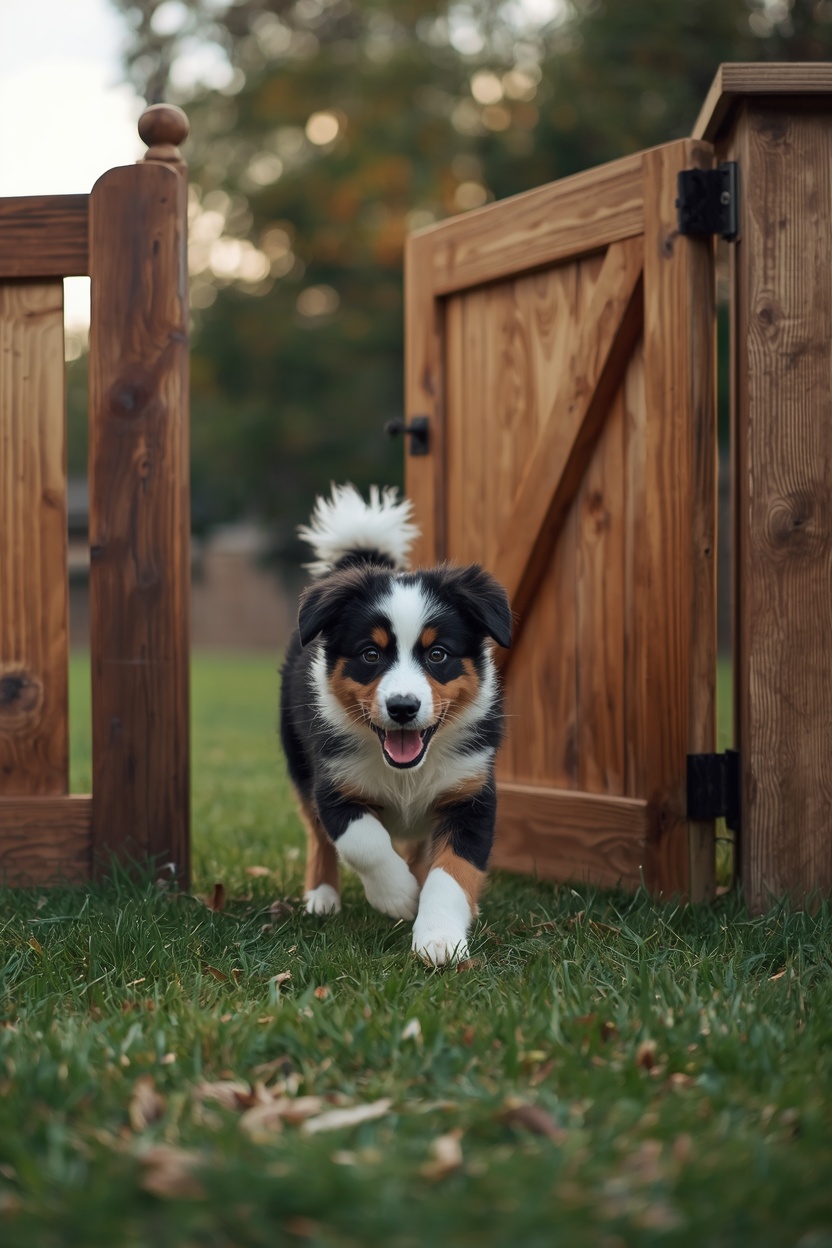
Escapes rarely happen "for no reason." Loud noises like fireworks or storms, a squirrel darting past, separation anxiety, or a simple gap in a fence are the usual culprits. Understanding the trigger doesn't just help you find your dog faster — it also helps you prevent a repeat performance.
Common escape triggers include:
- Sudden loud noises (thunderstorms, fireworks, construction)
- Chasing wildlife or another animal
- Anxiety when left alone
- Gaps, weak spots, or open gates in fencing
- Unfamiliar guests leaving a door ajar
The First 5 Minutes: What to Do Immediately
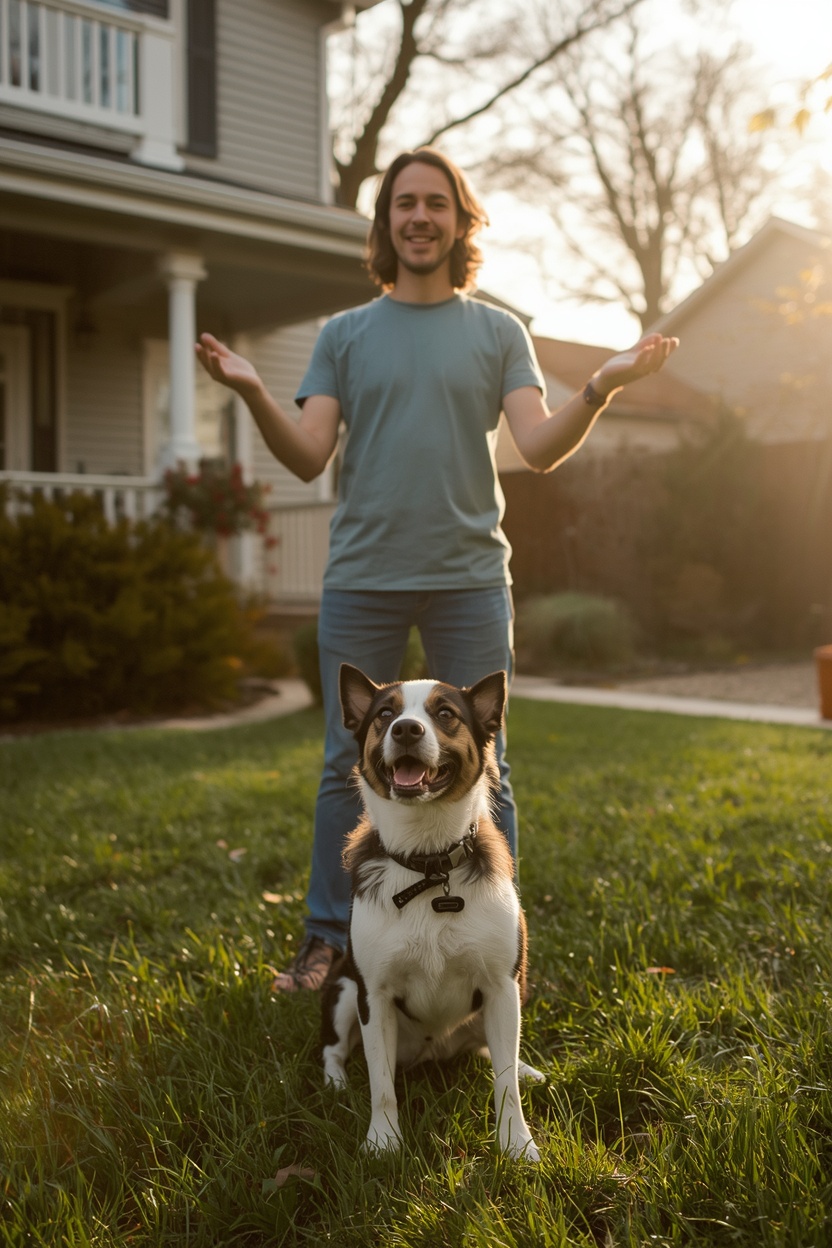
Panic is natural, but a clear head is your dog's best asset right now. Move fast, but move smart:
- Stay calm and call out. Use your dog's name and an excited, happy tone rather than a frantic one — dogs are more likely to approach a calm voice than run from a stressed one.
- Check the immediate area first. Most dogs don't go far initially. Walk the yard, the street, and any nearby hiding spots before widening your search.
- Grab high-value tools. Bring treats, a favorite squeaky toy, and a leash. Familiar scents and sounds can lure a nervous dog back.
- Check your GPS tracker app immediately. If your dog wears a GPS collar or tag, this is the moment it pays for itself — you'll often have a live location before you've even finished tying your shoes.
- Leave a scent trail at home. Prop open a door or leave a worn piece of your clothing outside; some dogs circle back on their own.
🌿 HelloOhNest Insight
The first 15 minutes matter more than any other stretch of time in a lost-dog situation — most dogs are still within a few blocks of home. Resist the urge to jump in the car and drive far right away; a slow, careful walk of the immediate area is almost always more effective than a wide, fast search.
Search Strategically: A Step-by-Step Search Plan
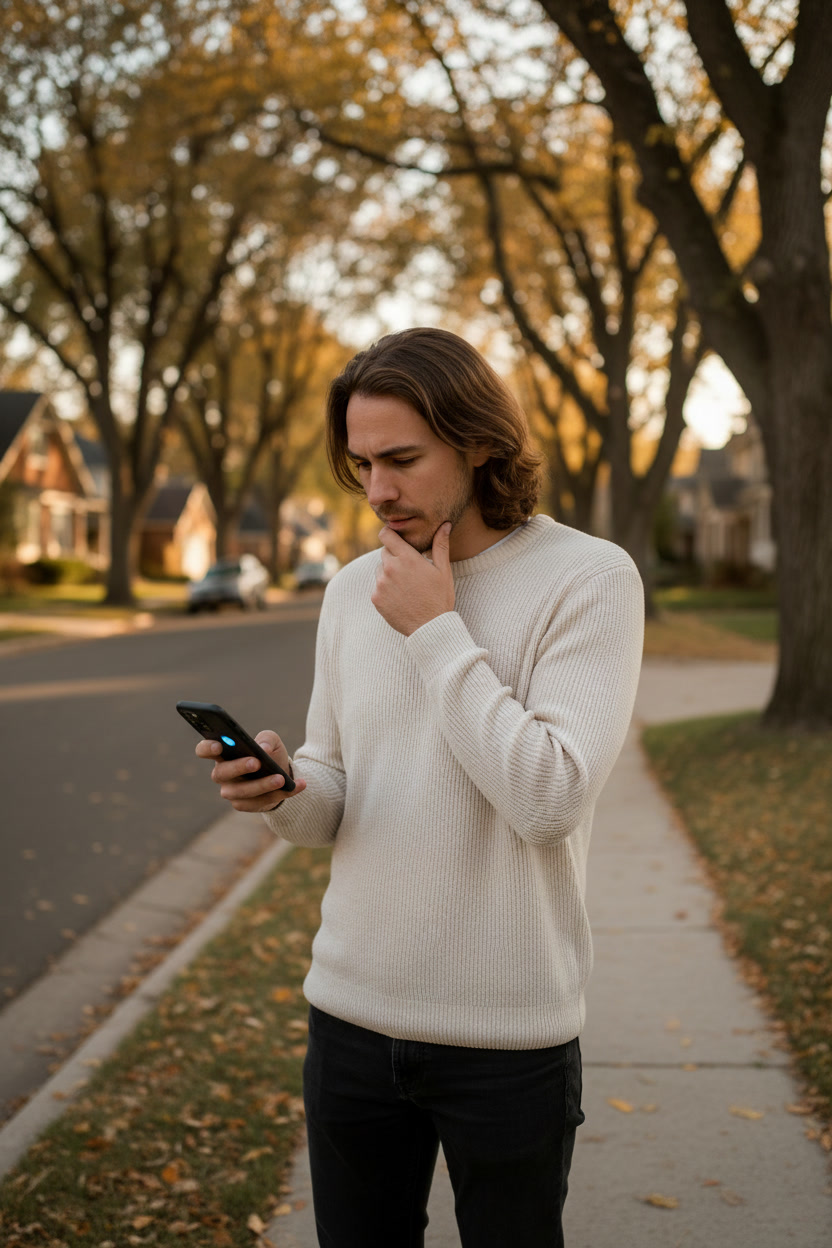
If the first few minutes don't turn up your dog, it's time to widen the search with a plan rather than random wandering:
- Search in expanding circles starting from the escape point, checking under porches, sheds, and parked cars.
- Check with a second person if possible — one person can drive slowly while another walks and calls.
- Bring a squeaky toy or treat bag and pause every so often to listen for a bark or rustle.
- Search during quiet hours like early morning or dusk, when scared dogs are more likely to move and streets are calmer.
- Track your GPS collar's history, not just its live location — many apps show a breadcrumb trail of exactly where your dog has traveled.
Enlist Help: Neighbors, Apps, and Local Resources
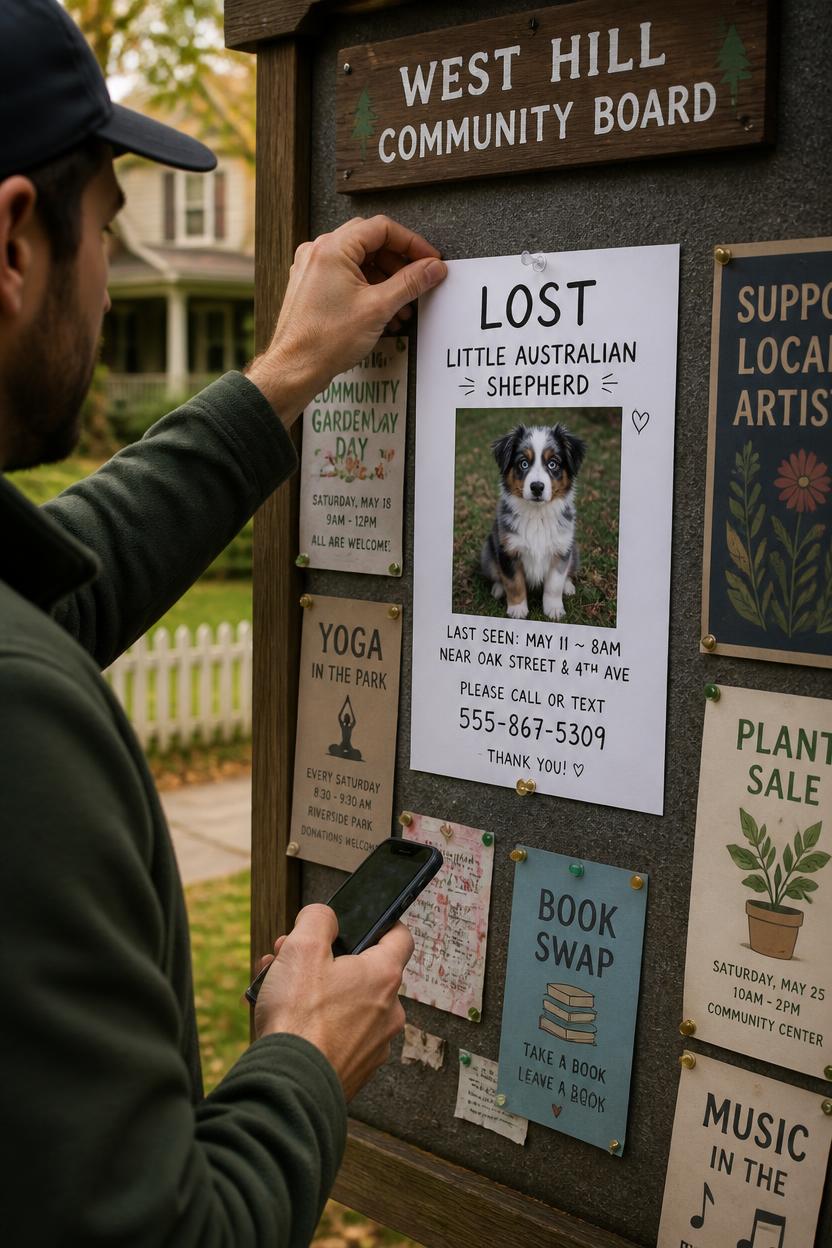
You don't have to search alone. A little outreach can multiply your eyes on the street within minutes:
- Post in neighborhood apps like Nextdoor or local Facebook lost-pet groups with a clear photo and last-seen location.
- Alert immediate neighbors in person or by text — they may spot your dog from a window you'd never think to check.
- Call local shelters and vet clinics right away, and follow up daily; a Good Samaritan may have already dropped your dog off.
- Check your dog's microchip registration is current, so a shelter or vet scan leads straight back to you.
- Share your GPS tracker's last known location with neighbors helping you search, so everyone is looking in the right area.
After They're Home: Calming Down and Checking for Injury

Once your dog is safely home, resist the urge to scold — a frightened dog won't connect the correction to the escape, and it may just make them warier of coming back next time.
- Do a gentle physical check for cuts, limping, ticks, or signs of dehydration.
- Offer water in small amounts if they seem overheated or exhausted.
- Give them a quiet space to decompress before returning to normal routine.
- Call your vet if you notice any injury, limping, or unusual behavior in the following days.
Preventing the Next Escape: GPS Trackers and Smart Collars
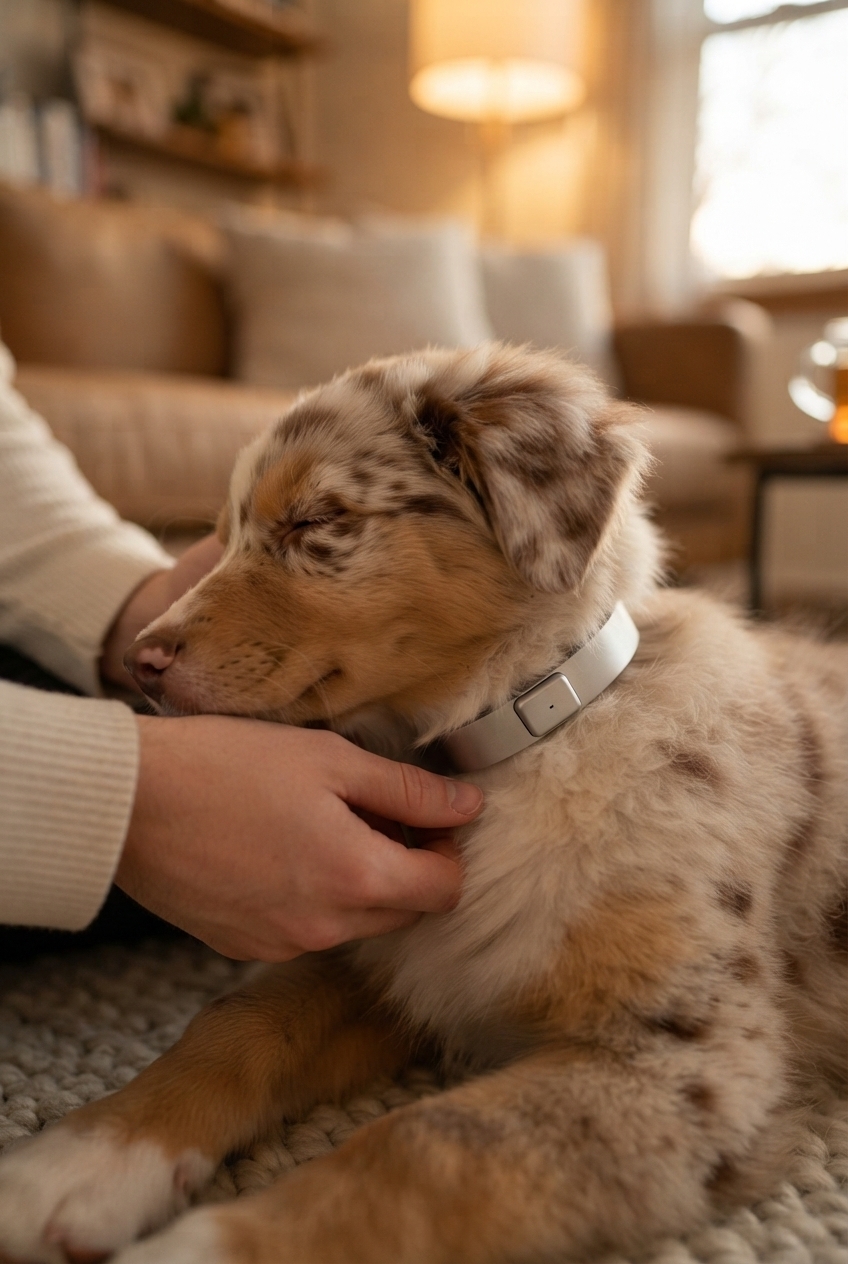
The single most reassuring change most pet parents make after a scare like this is adding a GPS tracking collar to their dog's everyday gear. Instead of relying on luck, a good tracker gives you:
- Real-time location tracking so you know exactly where your dog is within seconds of noticing they're gone.
- Escape alerts and virtual "safe zones" that notify your phone the moment your dog leaves the yard — often before you even realize the gate is open.
- Location history to help you understand escape patterns (same fence spot, same trigger time) so you can fix the root cause.
- Peace of mind for anxious or escape-prone breeds who explore more than they should.
Pairing a GPS collar with basic fence maintenance and a secure harness for walks turns "what if they escape" from a source of anxiety into a plan you already trust.
Frequently Asked Questions
How far do dogs usually go when they escape?
It varies widely, but many dogs stay within a few blocks of home, especially if they aren't chasing something. Anxious or scared dogs may travel further and faster, which is exactly where a GPS tracker becomes invaluable.
Should I drive around immediately or search on foot first?
Start on foot near the escape point. A slow walk lets you spot small details — a bark, a rustle, a familiar collar jingle — that you'd miss from a moving car. Widen to driving only after the immediate area is clear.
What's the difference between a GPS collar and a microchip?
A microchip helps someone else identify your dog if they're found and brought to a vet or shelter — it doesn't track location. A GPS collar actively shows you where your dog is in real time. Using both gives you the strongest safety net.
How do I stop my dog from escaping again?
Walk your fence line for gaps, secure gate latches, address any anxiety triggers with your vet or a trainer, and consider a GPS collar with safe-zone alerts so you're notified the moment a new weak spot gets tested.
With love,
The HelloOhNest Team 🌿