
How Smart Tech Eases Dog Separation Anxiety
Replace this image in Media Library, then swap the src above.
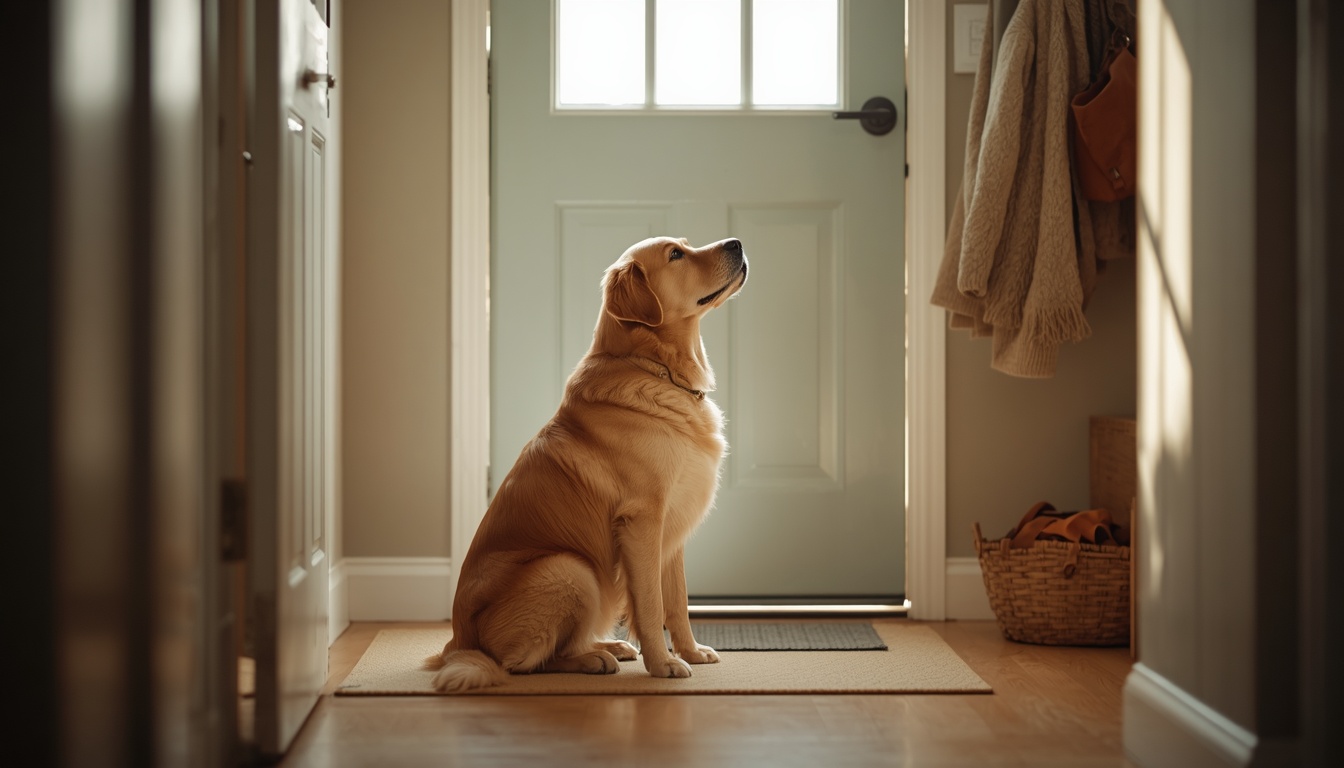
Leaving your dog home alone can bring on whining, pacing, or destructive chewing — classic signs of separation anxiety. The good news: today's smart pet technology can't replace you, but it can soften the transition, keep your dog engaged, and give you real-time peace of mind while you're away.
In this article
Why Dogs Struggle When Left Alone
Dogs are social animals wired to stay close to their pack. When that connection is suddenly gone, some dogs cope fine — others spiral into stress within minutes. Common triggers include a sudden change in routine, a recent move, or simply never having practiced being alone gradually. Left unmanaged, this stress can show up as barking, pacing, or accidents, even in otherwise well-behaved dogs.
How Smart Cameras Reduce Anxiety
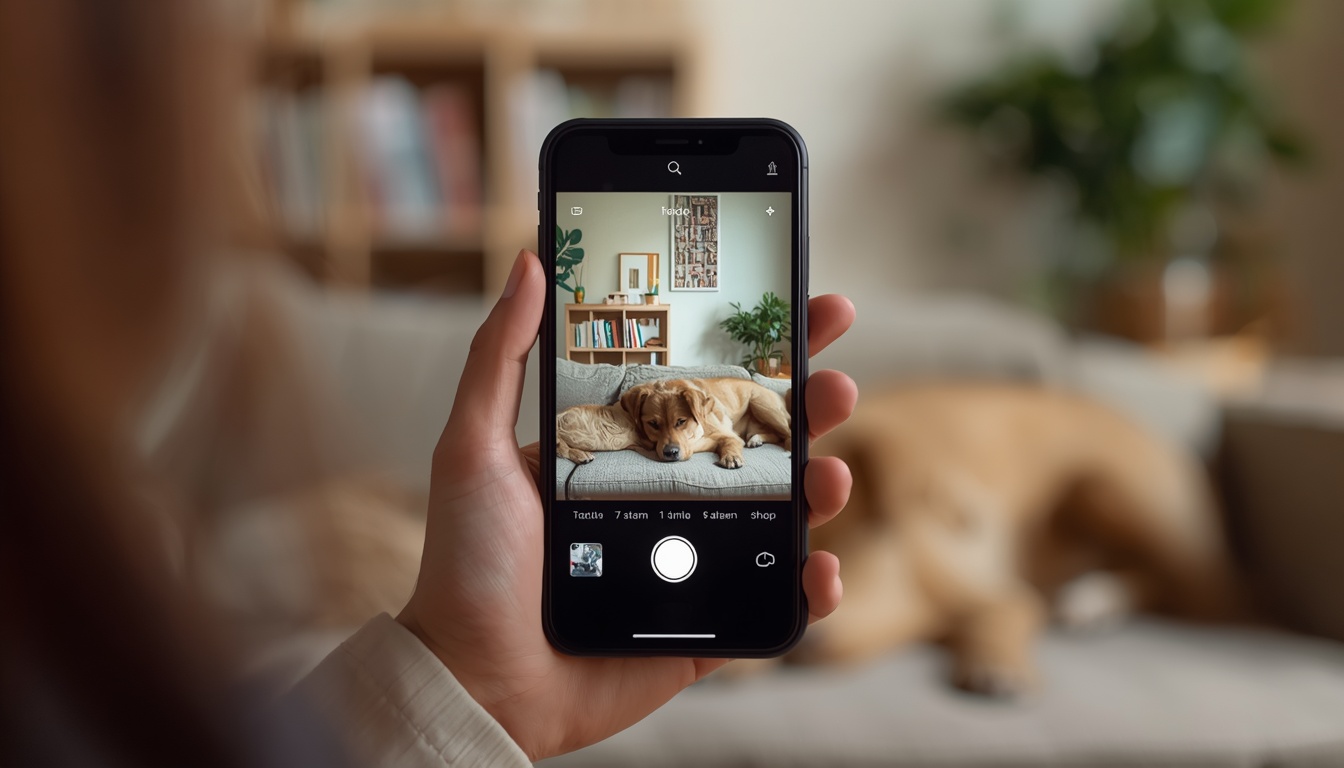
Two-way pet cameras let you check in, talk through the speaker, and even toss a treat remotely on some models. Hearing your voice can be genuinely calming for a dog mid-stress spiral, and for you, seeing your dog settle down on camera is often the biggest relief of the whole workday.
Automatic Feeders and Routine Comfort
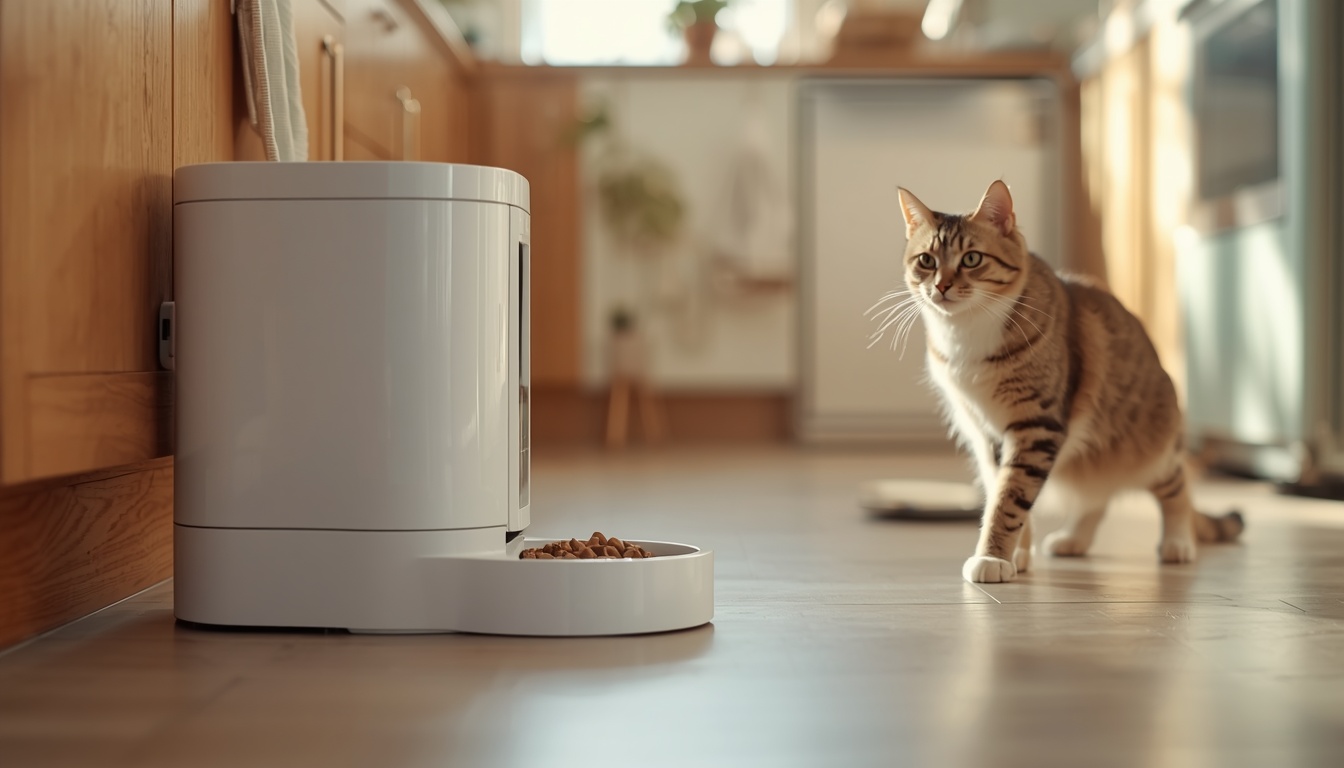
Dogs find comfort in predictability. A scheduled automatic feeder keeps mealtimes consistent even if you're stuck in traffic or working late, which removes one more variable that could otherwise trigger stress or food-related anxiety.
Interactive Toys and Treat Dispensers

Boredom often makes anxiety worse. Puzzle feeders and app-controlled treat dispensers give your dog something to focus on, turning alone-time into a mini mental workout instead of empty, stressful hours.
Calming Sounds and Smart Speakers
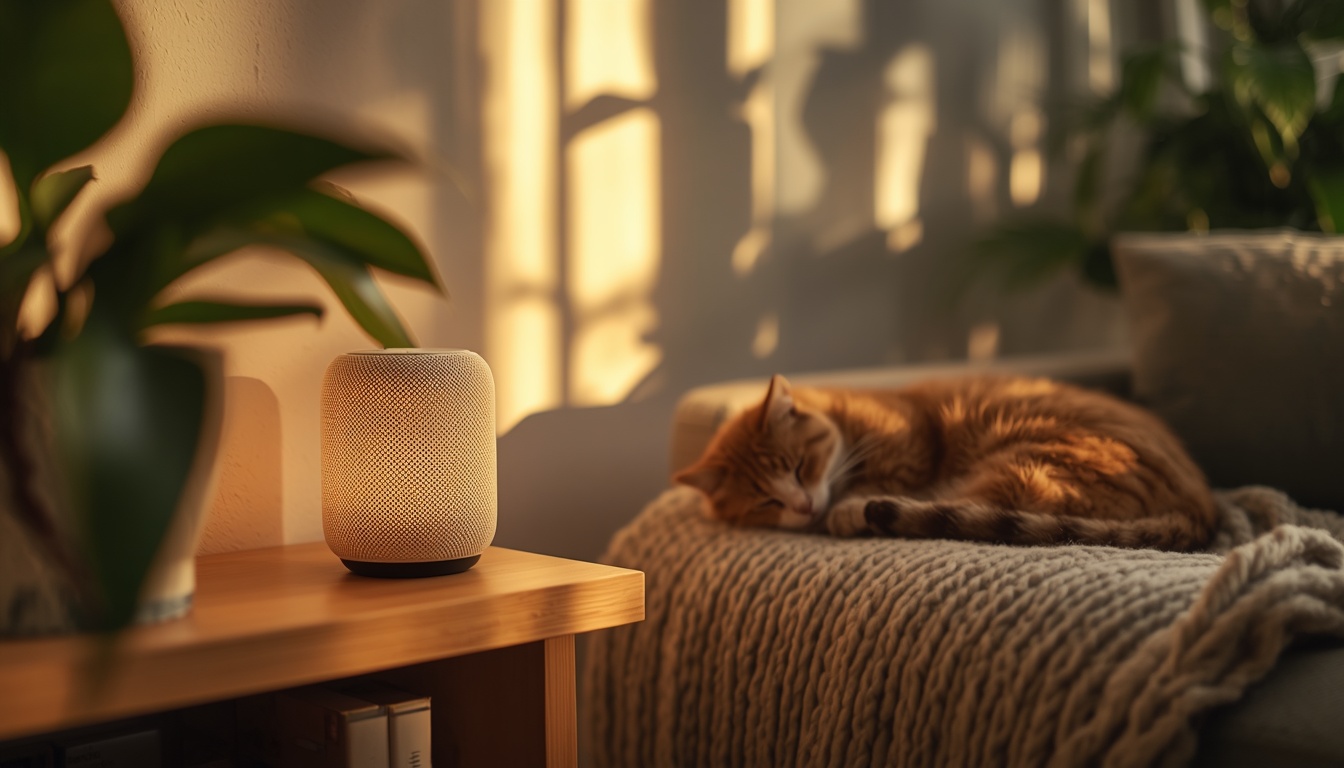
Soft background noise — white noise, calming playlists, or even a familiar podcast — can mask outside sounds like doorbells or traffic that often trigger barking. Many smart speakers let you schedule this remotely, so it starts right as you head out the door.
💡 HelloOhNest Tip
Introduce any new smart device before you actually need it for a full workday. Let your dog get used to the camera's sound or the feeder's dispensing noise over a weekend first — new gadgets can be startling if your dog's first experience with them happens while they're already anxious.
When to Combine Tech with Training
Smart gadgets are tools, not a fix on their own. If your dog's anxiety is severe — destructive chewing, self-injury, or non-stop distress — pair tech with gradual alone-time training, and consider talking to a vet or certified trainer. Tech works best as support for a calmer routine, not a replacement for it.
Frequently Asked Questions
Can a pet camera alone stop separation anxiety?
Not entirely. A camera helps you monitor and respond, but it works best alongside training and a consistent routine rather than as a standalone fix.
How long does it take for smart tech to show results?
Most owners notice a difference in behavior within one to two weeks of consistent use, especially when paired with a steady daily routine.
Are treat-dispensing cameras safe to use unsupervised?
Generally yes for short periods, but always test the treat size and dispensing rate while you're home first to avoid choking risks or overfeeding.
What's the single best starter device for anxious dogs?
A two-way pet camera is usually the best first step — it lets you assess how your dog actually behaves alone before investing in more gadgets.
Does smart tech work for cats too?
Yes — cameras, feeders, and calming sounds help cats with stress-related behaviors as well, though cats often respond differently than dogs.
With love, The HelloOhNest Team 🌿
Helping every home (and every pet) feel calmer, one small change at a time.
Want more Smart Pet Living ideas?
Explore more guides on keeping your pets happy, safe, and comfortable at home.
Browse Smart Pet Living