
Would your balcony actually stop your cat or dog from squeezing through, jumping over, or slipping out the door — or are you just hoping it never happens?
Balconies are one of the most overlooked danger zones in pet-friendly homes. They feel enclosed, so it's easy to assume they're safe — but gaps in railings, unsecured screens, and the pull of a bird or squirrel outside can turn a few unsupervised minutes into a real emergency. The good news: making a balcony genuinely pet-safe usually takes a handful of fixable changes, not a full renovation. Here's exactly what to check.
📋 What You'll Find In This Guide
Check the Gaps in Railings & Balustrades
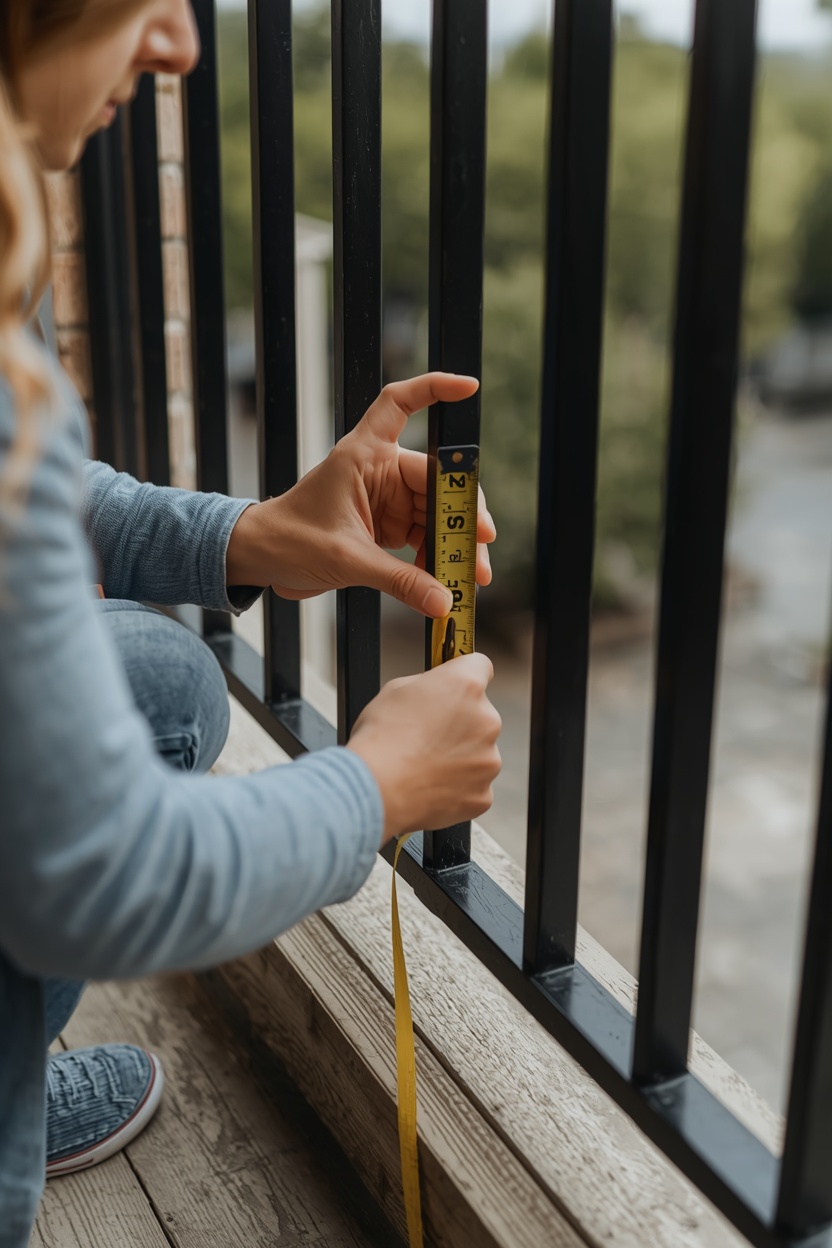
Standard railing gaps are designed with building codes in mind, not with a determined cat squeezing through, or a small dog testing every opening. This is usually the very first thing to check.
- Measure the gap between railing bars — anything wider than about 3 inches (7–8 cm) is squeezable for most cats and small dogs
- Check gaps at the bottom of the railing near the floor, not just between the vertical bars
- Glass or solid-panel railings are inherently safer than open bar designs, if you have the choice
- Don't forget to check for gaps where the railing meets the wall or corner posts
Pet Screens & Enclosures
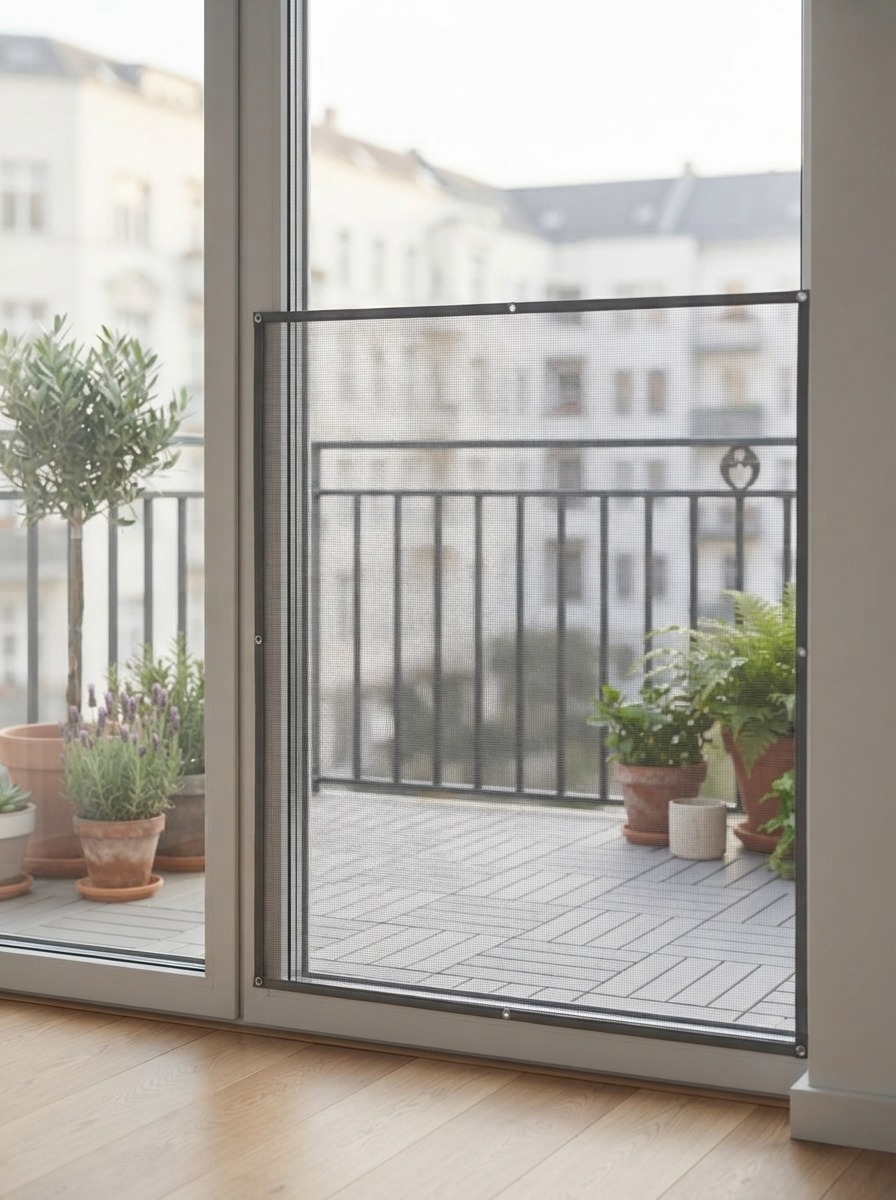
A dedicated pet screen or mesh enclosure is the single most effective fix for gap and jumping risks at once — it turns an open balcony into what many pet owners call a "catio," letting your pet enjoy fresh air fully contained.
- Look for weather-resistant, UV-treated mesh that won't degrade quickly outdoors
- Tension-mounted or tautly secured screens hold up far better than loosely draped netting
- For renters, tool-free, no-drill mounting kits exist and won't damage the railing or walls
[SOFT CTA — screens/barriers] If you're looking at options, a well-reviewed pet balcony screen is genuinely one of the highest-impact purchases for this problem — we'll add our top pick here once we've tested a few.
🌿 HelloOhNest Insight
Cats especially don't need a wide gap to escape — if their head fits, the rest of their body usually follows. When in doubt, measure with the narrowest part of your pet in mind, not the widest.
Climbing Instincts and Furniture Placement
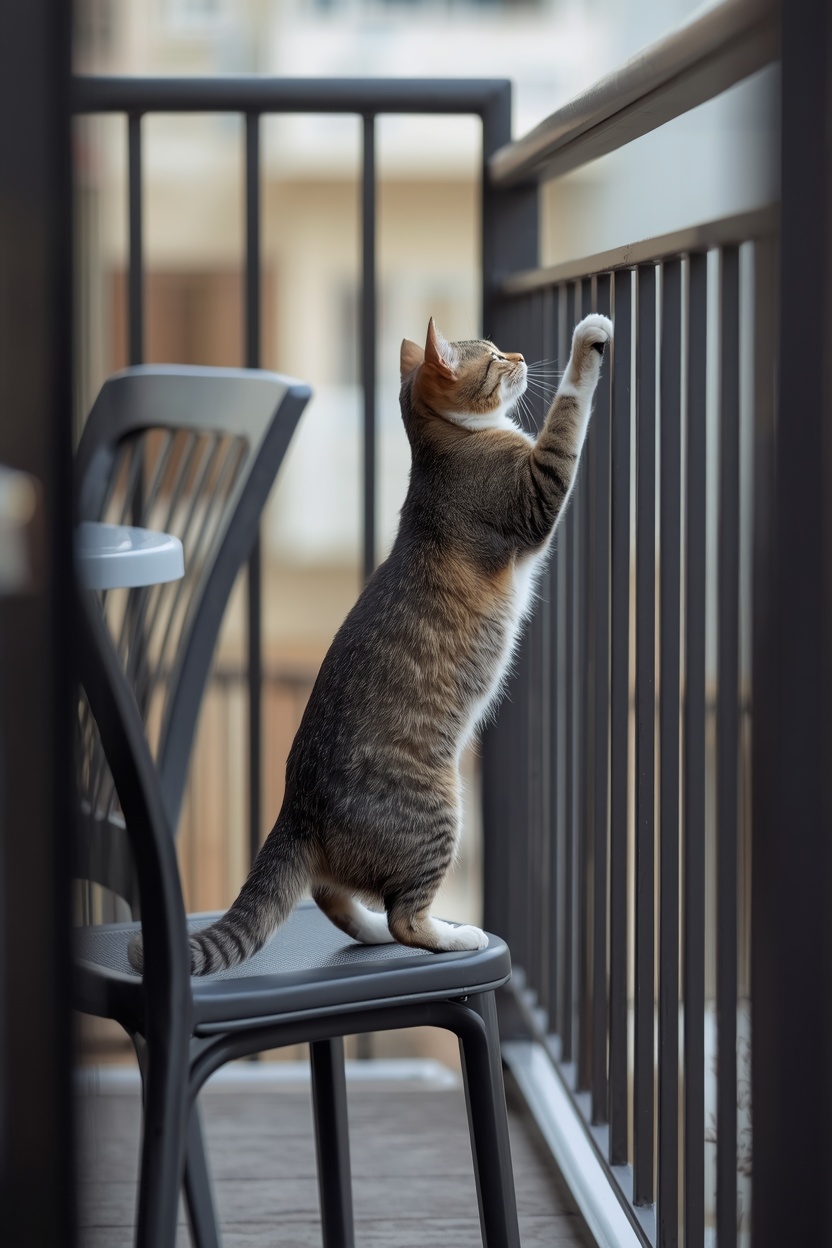
Even a balcony with solid, gap-free railings isn't safe if there's a chair, planter, or table positioned right next to it — cats especially will use any nearby surface as a launchpad to get higher.
- Move chairs, plant stands, and low tables away from railing edges
- If your cat likes height, redirect that instinct with a secure perch positioned well away from the edge, not removed entirely
- Dogs that jump or lean on railings out of excitement (barking at birds, people below) benefit from training a "stay back" boundary reinforced with a visual marker like a rug or mat
Securing the Balcony Door
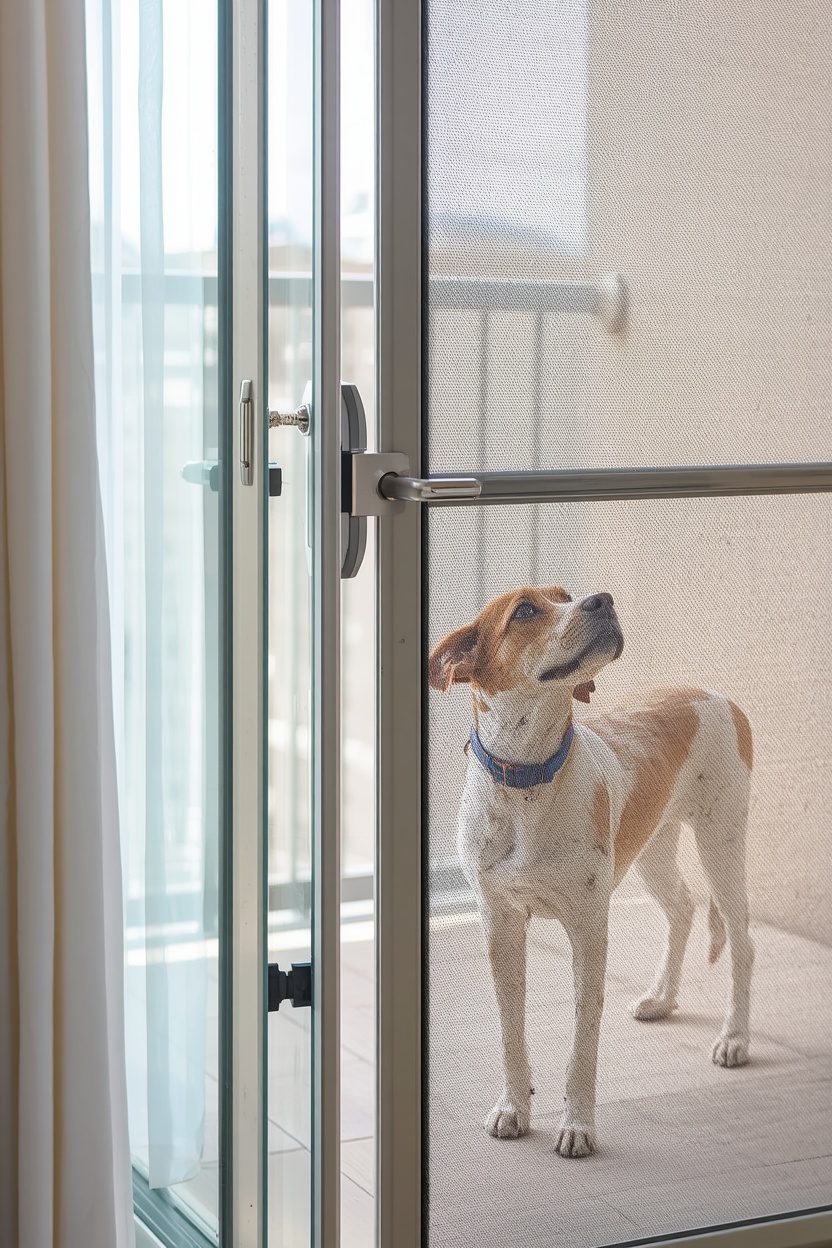
Most balcony escapes don't happen because a pet outsmarted a barrier — they happen because a door was left cracked open "just for a minute." A little friction here goes a long way.
- Install a screen door with a pet-proof latch so the main door can stay open for airflow without full access
- Self-closing hinges or door closers remove the risk of a door left ajar
- Train household members (and guests) to double-check the door before stepping away, especially with cats that dart
Toxic or Unsafe Balcony Plants
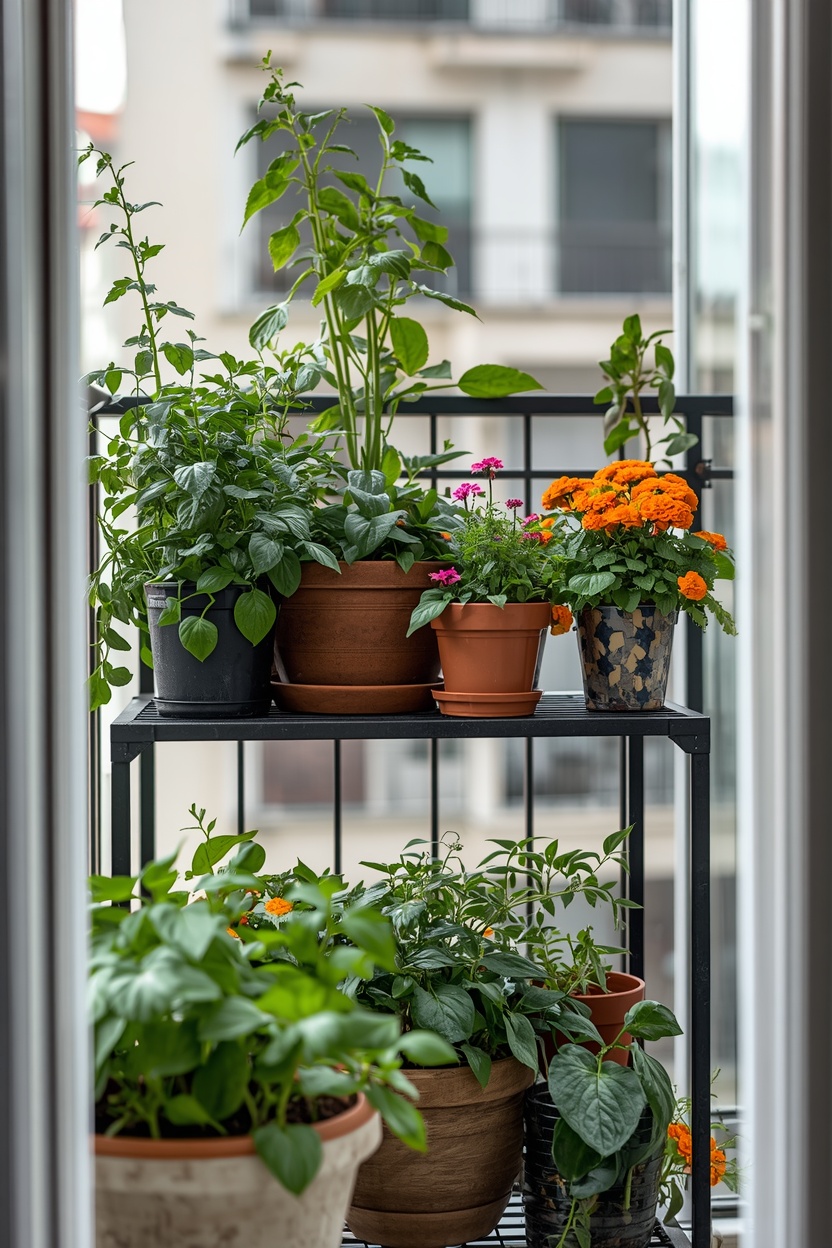
Balcony gardens are lovely, but several popular outdoor plants are toxic to cats and dogs if chewed. It's worth a quick audit of what's currently growing out there.
- Common balcony plants to avoid: oleander, sago palm, azalea, lily varieties, and certain succulents like aloe (mildly toxic)
- Move any toxic plants to a hanging planter or shelf above pet reach, or swap for pet-safe alternatives like marigolds, herbs (basil, thyme), or spider plants
- Watch for fallen leaves and petals on the floor too — pets often investigate what's within nose-reach, not just what's planted at eye level
Supervision & Safe Boundaries
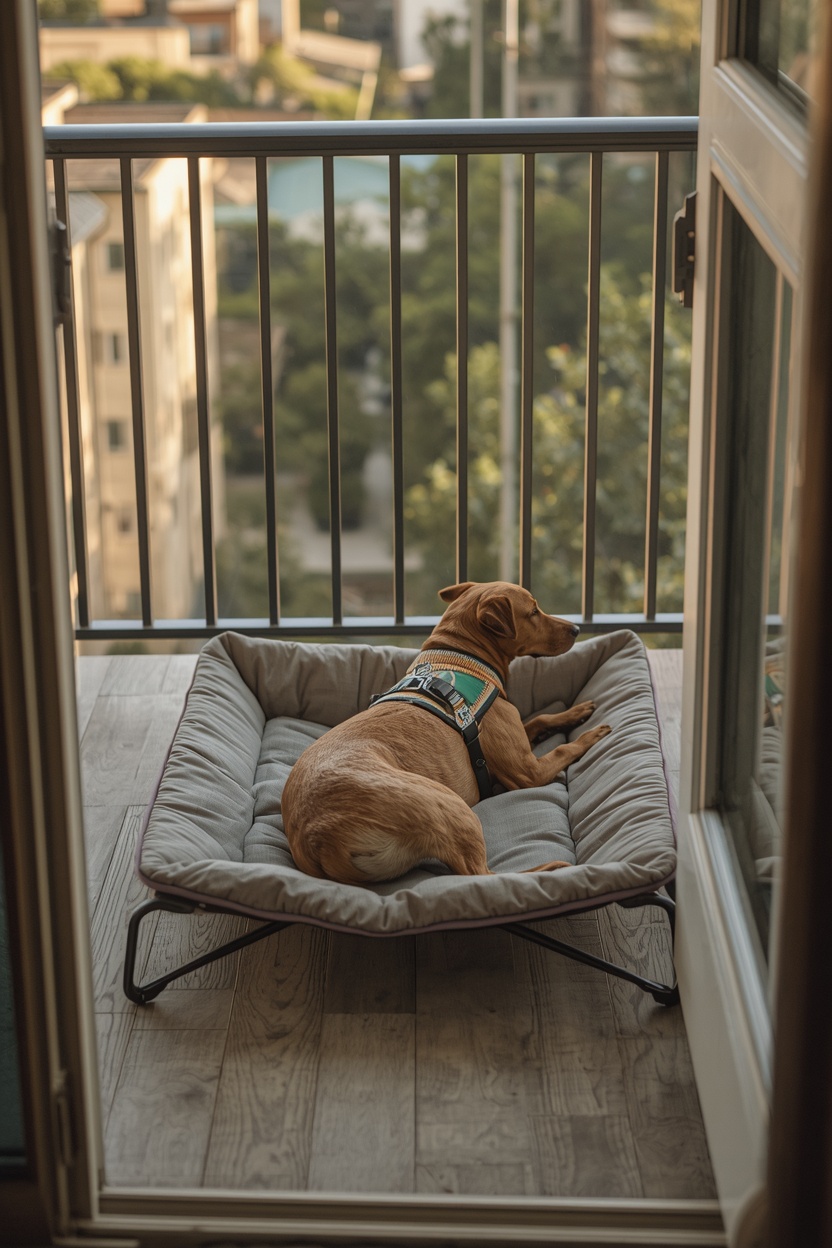
Even the safest setup benefits from a layer of supervision, especially in the first few weeks as your pet gets used to the space.
- A secured harness and short tether can add peace of mind for dogs on balconies without full enclosures
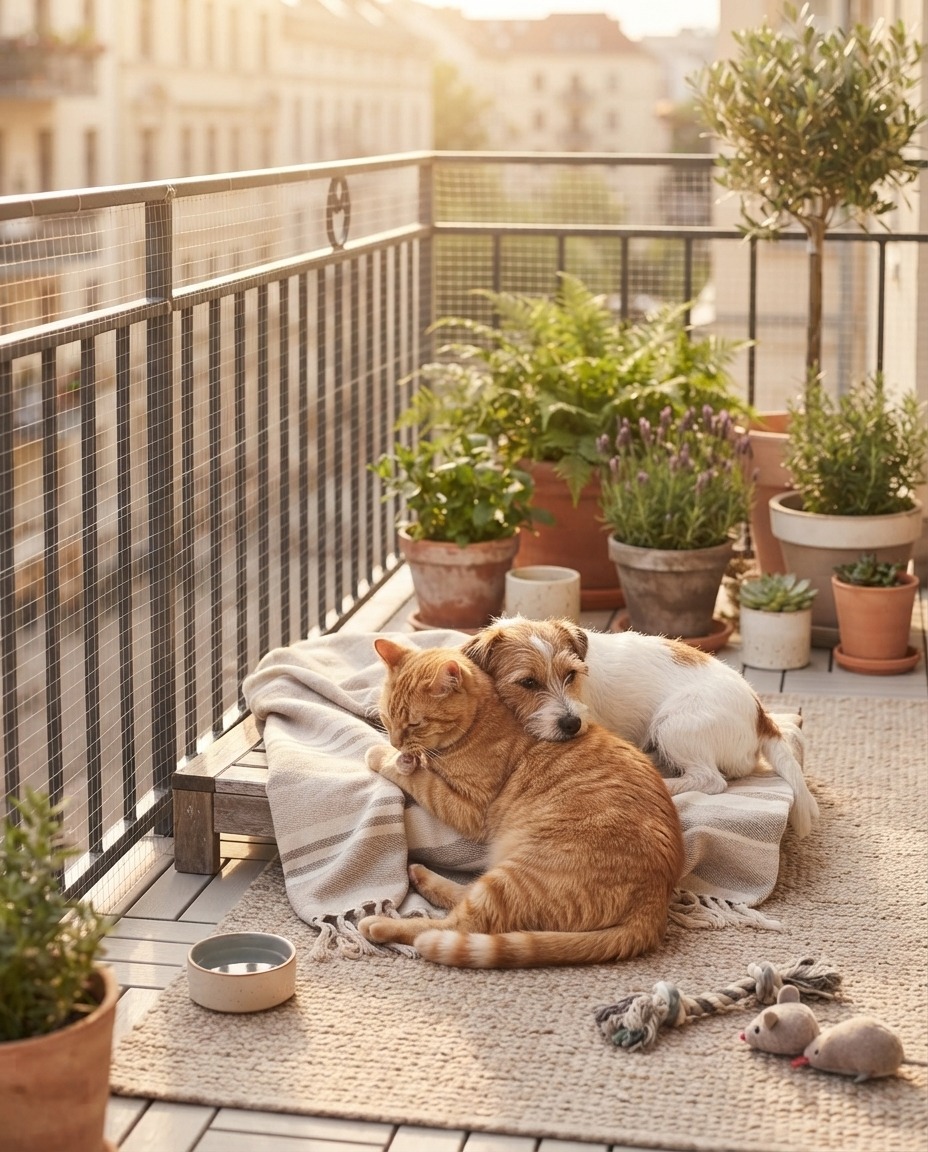
- Outdoor pet furniture (a shaded bed, a low bench) placed centrally — away from the edge — gives them a favorite spot that naturally keeps them clear of the railing
- For cats, short supervised sessions at first help you catch any gap, jump spot, or curious habit you might have missed
[SOFT CTA — outdoor pet furniture] A cozy, shaded spot set up away from the railing gives your pet somewhere to naturally want to settle — we'll share our favorite outdoor pet furniture picks here soon.
🛒 Ready to Pet-Proof Your Balcony? — Picks Coming Soon
We're currently testing pet safety screens, railing barriers, and outdoor pet furniture to recommend our genuine favorites — the ones we'd actually trust with our own pets. Check back soon, or explore our other Smart Pet Living guides in the meantime.
Frequently Asked Questions
Can cats really fall from balconies, or do they always land safely?
Cats have excellent balance, but "high-rise syndrome" is a well-documented risk — falls from balconies, even in cats, can cause serious injury. Balance doesn't prevent a slip on a wet railing or a startled jump gone wrong. Prevention is always safer than relying on instinct alone.
Are pet balcony screens safe for renters?
Many pet screens now come with tool-free, no-drill mounting systems using tension rods or adhesive clips, specifically designed not to damage railings or walls — worth checking the product description before buying if you're renting.
What's the minimum I should do if I can't fully enclose my balcony right now?
At minimum: measure and address any gaps wider than 3 inches, move furniture away from the railing edge, and never leave the balcony door open unsupervised. Those three steps alone remove most of the highest-risk scenarios.
Is it safe to leave my dog on the balcony unsupervised for short periods?
Once gaps, plants, and door security are addressed, short unsupervised periods are generally lower-risk — but weather, temperature, and your specific dog's tendency to jump or bark at passersby should factor into how long is comfortable.
With love,
The HelloOhNest Team 🌿