
Bringing home a puppy is one of the most exciting days of the year — and also the day your living room officially becomes a hazard course from a puppy's point of view. Cords look like chew toys, houseplants look like snacks, and that gap under the stairs looks like the perfect place to disappear. A little prep now saves you a lot of stress (and a few vet visits) later. Here's a full room-by-room plan to get your home puppy-ready before they ever set paw inside.
📋 What You'll Find In This Guide
Secure Cords, Cables & Loose Small Objects
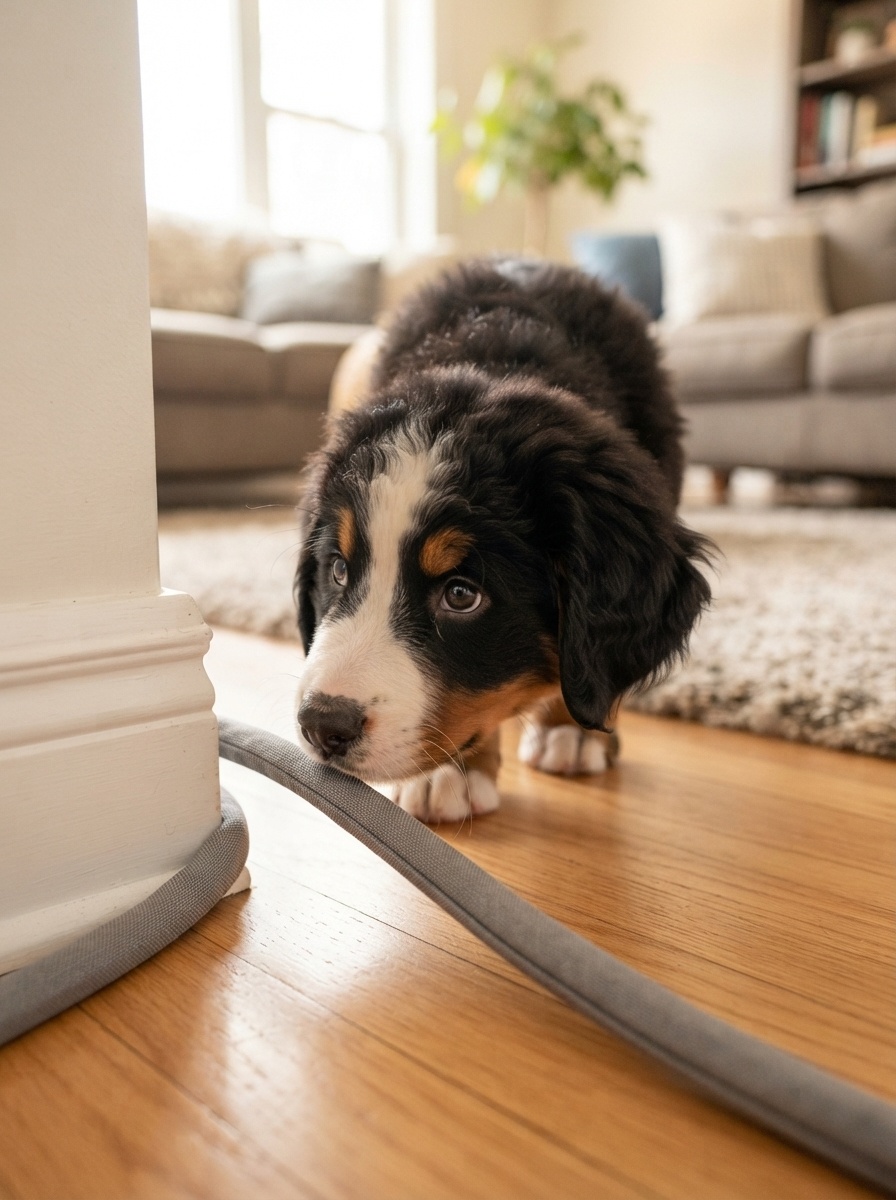
Puppies explore the world mouth-first, and dangling cords are basically an invitation. A chewed charger cable is annoying; a chewed live electrical cord can cause serious injury. This is also the moment to sweep your floors for anything small enough to swallow.
- Route or bundle loose cords along baseboards, out of paw's reach
- Use cord covers or cable sleeves on anything a puppy can access
- Unplug and store chargers when not in use
- Do a floor-level sweep for coins, hair ties, buttons, and small toys — anything choking-hazard sized
- Keep sewing kits, rubber bands, and craft supplies in closed drawers
Lock Away Toxic Household Items
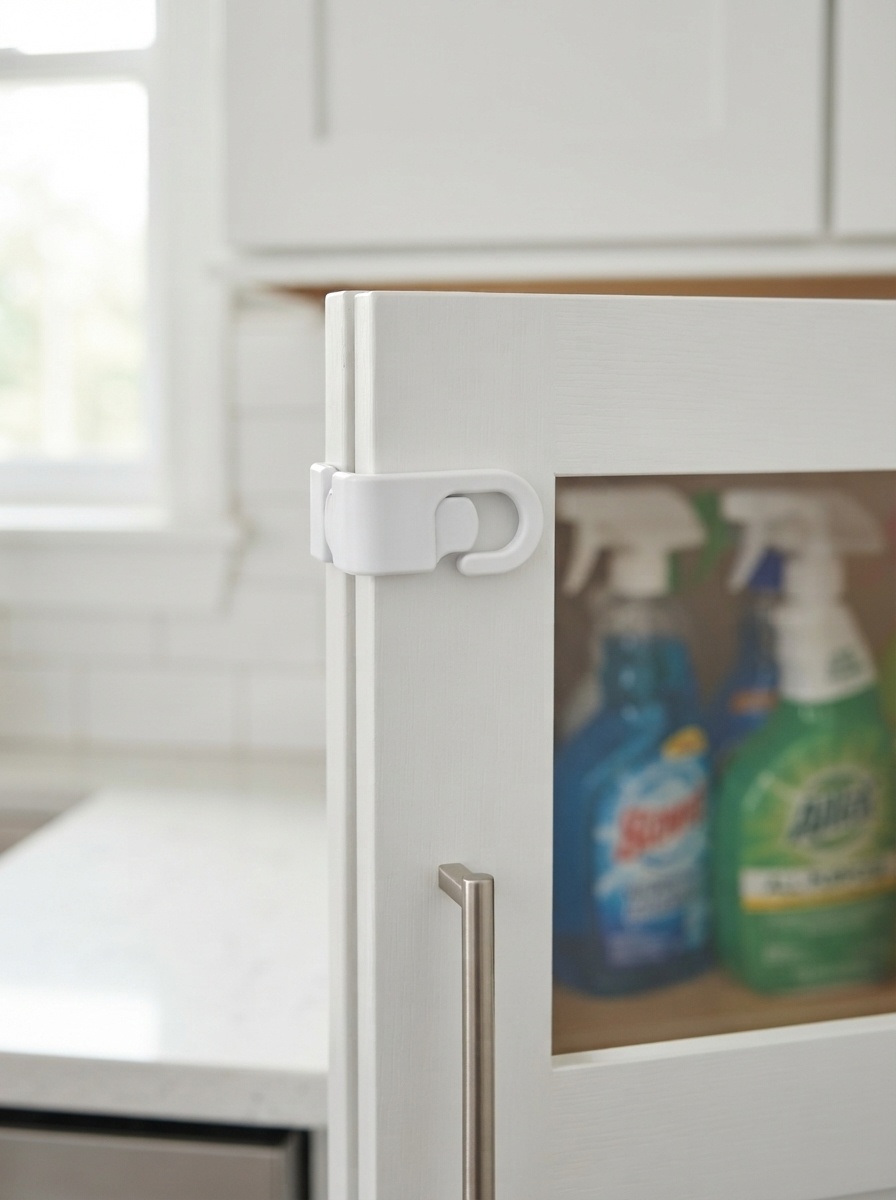
Many everyday household products are far more dangerous to dogs than most new owners realize. Puppies are especially at risk since they're curious, low to the ground, and prone to licking or chewing unfamiliar items.
Common items to lock away or relocate:
- Cleaning products, laundry pods, and detergents
- Medications — human and pet, prescription and over-the-counter
- Certain foods like chocolate, grapes, onions, and xylitol-sweetened items
- Rodent or insect bait and garden chemicals
- Essential oils and diffusers
Childproof cabinet latches work just as well for puppy-proofing as they do for toddlers — a simple, low-cost fix for a high-risk problem.
🌿 HelloOhNest Insight
Do a "puppy-eye-level" walk-through before bringing them home: get down on your hands and knees in every room and look around. Anything you spot at that height is exactly what your new puppy will notice first.
Block Off Doors, Stairs & Off-Limits Rooms
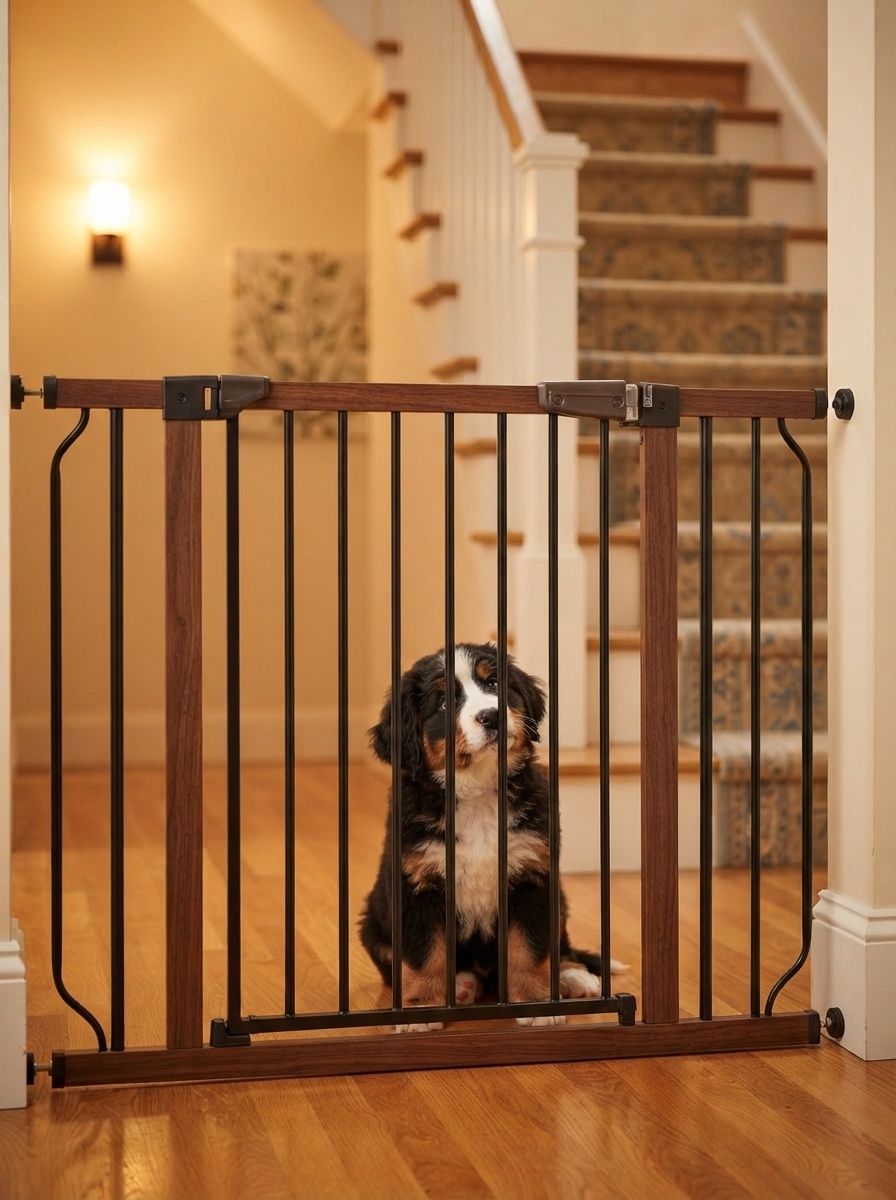
Stairs, home offices, and rooms with breakables or wires are much easier to manage with a physical barrier than with constant supervision. A well-placed gate also gives your puppy a clear, consistent boundary while they're still learning the house rules.
- Install a pet gate at the top and bottom of staircases
- Block access to rooms with exposed wiring, chemicals, or fragile items
- Make sure window screens are secure — puppies can push through weak screens
- Check that exterior doors close and latch fully; a slightly ajar door is an open invitation
Move or Elevate Houseplants
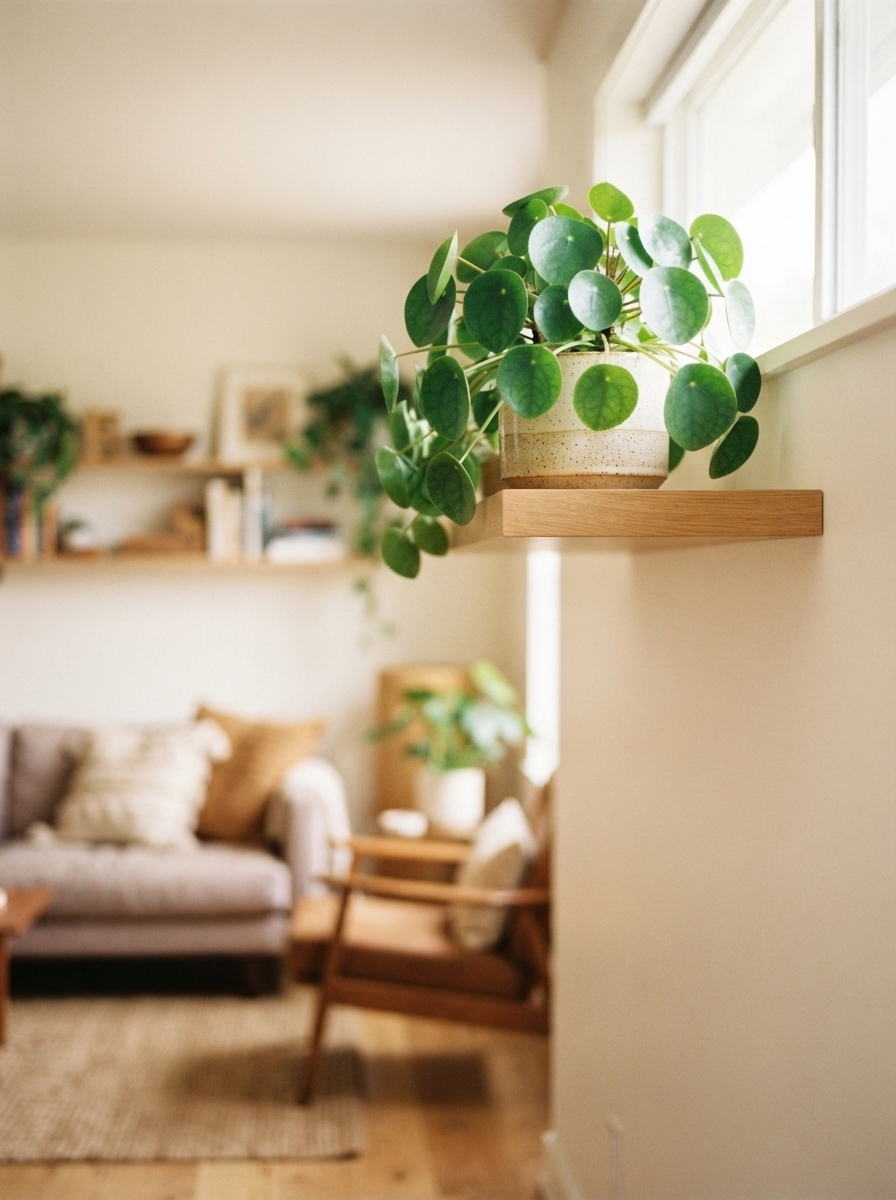
Many popular houseplants — pothos, lilies, aloe vera, and philodendron among them — are toxic to dogs if chewed or eaten. Puppies rarely know the difference between a decorative plant and a chew toy, so the safest move is getting toxic varieties out of paw's reach entirely.
- Move toxic plants to high shelves, hanging planters, or rooms your puppy can't access
- Double-check any plant you're unsure about against a pet-safe plant list
- Consider swapping high-risk plants for pet-safe alternatives like spider plants or Boston ferns
Puppy-Proof the Kitchen & Food Storage
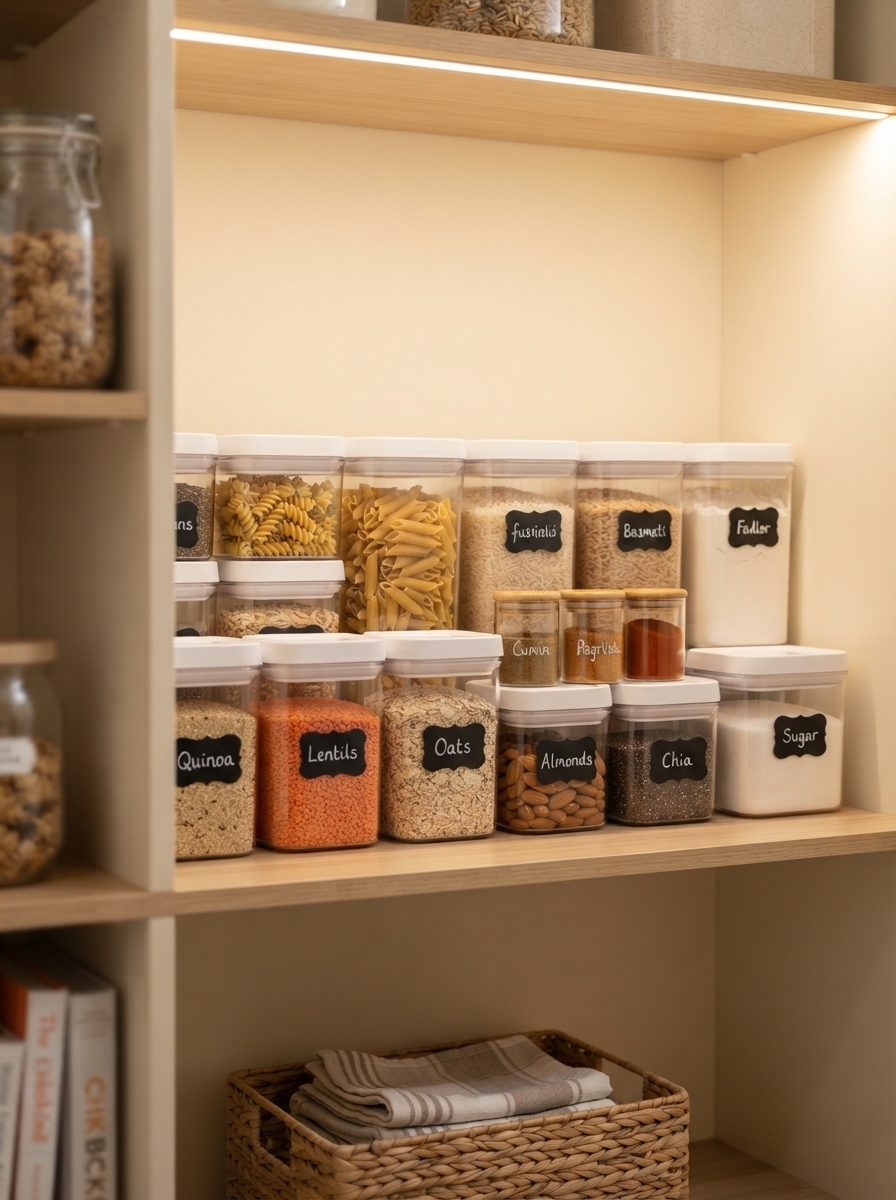
The kitchen is often the highest-risk room in the house — it's full of smells, dropped food, and cabinets a determined puppy can nose open. A few adjustments make a big difference:
- Store human food in sealed, puppy-proof containers rather than open bags
- Keep trash cans in a latched cabinet or use a lidded, weighted bin
- Install cabinet latches on any low cupboard containing food
- Set clear rules early about begging and counter-surfing before habits form
Set Up a Safe Sleeping Area
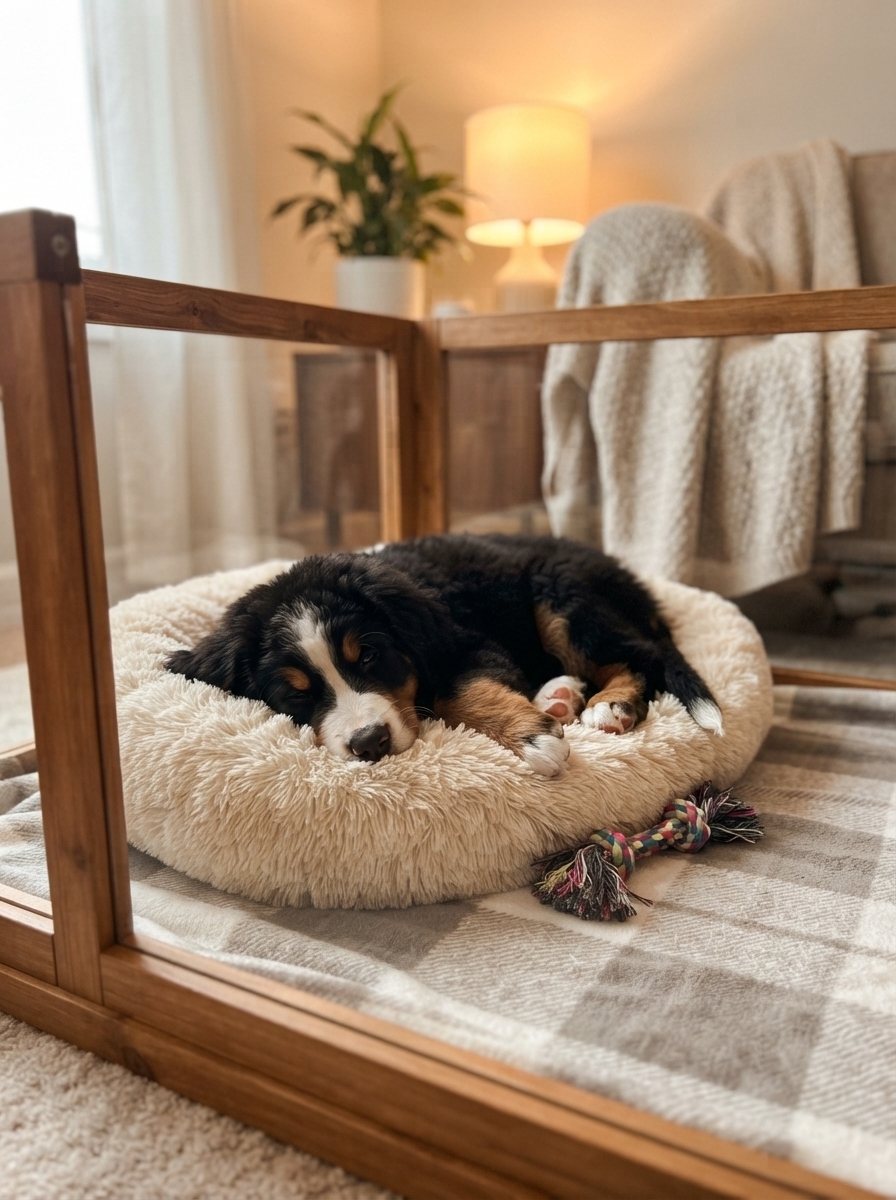
A dedicated, puppy-proofed sleeping space gives your new dog somewhere safe to settle when you can't supervise directly — overnight, during work calls, or while you're prepping meals. It also speeds up house-training since puppies naturally avoid soiling their own sleeping area.
- A puppy pen creates a secure, enclosed space with room for a bed, water, and a few safe toys
- Keep the sleeping area away from drafts, direct sun, and heating vents
- Choose washable bedding for the inevitable early accidents
- Avoid anything with small chewable parts (buttons, ribbons, stuffing) inside the pen
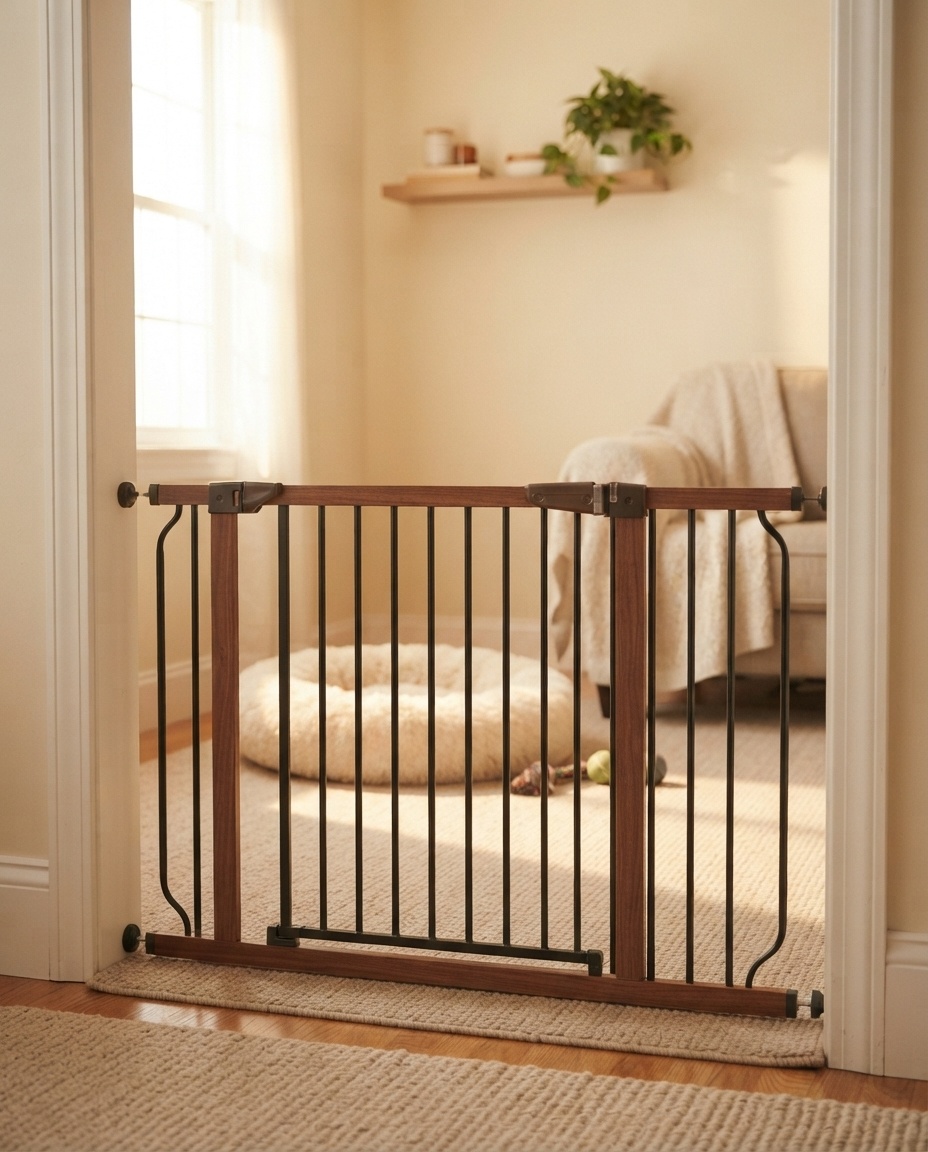
Pairing a puppy pen with a gate at the room's entrance gives you a fully contained, worry-free zone for the first few weeks — which takes a lot of pressure off constant supervision.
Frequently Asked Questions
How long should I puppy-proof before bringing them home?
Ideally, do a full walk-through 3–5 days before pickup, so you have time to install gates, latches, and cord covers without rushing. A final "puppy-eye-level" check the day before is a great last step.
Do I need a puppy pen if I already have a crate?
A crate and a pen serve slightly different purposes. A crate is a cozy den for sleeping and short confinement; a pen gives more room to move, play, and use a puppy pad, making it useful during the day while a crate works well overnight.
Which houseplants are safe to keep around a puppy?
Pet-safe options include spider plants, Boston ferns, calathea, and areca palms. When in doubt, check any plant you own against an up-to-date pet-toxicity list before assuming it's safe.
What's the easiest first step if I only have one weekend to prepare?
Prioritize cord covers, cabinet latches on anything toxic, and a gate blocking stairs or off-limits rooms. Those three cover the highest-risk hazards and can usually be done in an afternoon.
With love,
The HelloOhNest Team 🌿