
Smart Pet Living · HelloOhNest
Pet GPS Trackers vs. AirTags: Real Difference
Your dog slips out the gate. Your cat doesn't come home by dark. In that moment, the only thing that matters is: can you find them, and how fast?
Pet trackers promise peace of mind, but not all trackers work the same way. Some use real-time GPS. Others rely on nearby devices to relay a location. The difference isn't just technical — it changes what the tracker can actually do for you.
Let's find out what actually matters ↓

📖 In This Guide
- What Is a GPS Pet Tracker?
- What Is an AirTag-Style Tracker?
- GPS Tracker vs. AirTag-Style Tracker
- Which Features Actually Matter?
- When a GPS Tracker Makes More Sense
- When an AirTag-Style Tracker Is Enough
- Tractive vs. Apple AirTag: Two Different Approaches
- Frequently Asked Questions
- Which One Should You Choose?
What Is a GPS Pet Tracker?
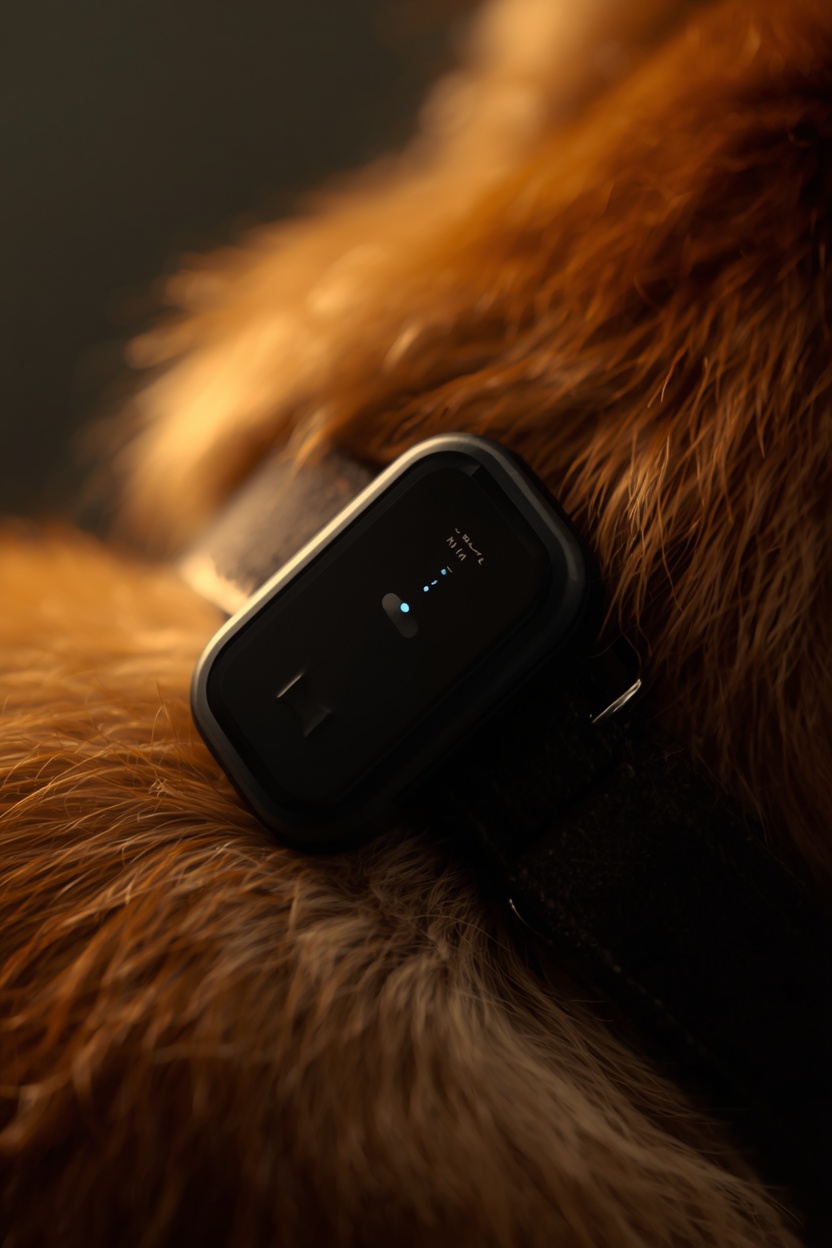
A GPS pet tracker uses satellite and cellular networks to report your pet's location directly, on its own, without needing another device nearby.
Depending on the model, GPS-focused features can include:
- Real-time live tracking
- Geofencing (safe-zone alerts)
- Activity and sleep monitoring
- Escape or movement alerts
- Nationwide or global range
- Health and wellness insights
- Subscription-based cellular connectivity
Tractive is a clear example of this approach, offering live location tracking, escape alerts, and activity monitoring through a dedicated collar attachment and app.
What Is an AirTag-Style Tracker?

An AirTag-style tracker has a different primary goal: quiet, low-power presence detection using a network of nearby devices rather than its own cellular connection.
Common features include:
- Bluetooth/UWB-based location
- Crowd-sourced "Find My" style networks
- Long battery life (often 6–12+ months)
- Small, lightweight design
- Precision finding at close range
- No subscription required
- Location relies on nearby compatible devices
Apple AirTag (used with a pet-collar mount) is the most common example — it doesn't track pets by design, but many owners adapt it for that purpose.
GPS Tracker vs. AirTag-Style Tracker
The biggest difference is not battery life or size. It is how the device finds your pet, and whether that method works when your pet is far from home.
| Feature | GPS Tracker | AirTag-Style Tracker |
|---|---|---|
| Live Real-Time Location | ✓ | Limited |
| Works Without Nearby Devices | ✓ | ✗ |
| Geofencing / Safe Zones | Often | Rare |
| Battery Life | Days to weeks | Months |
| Subscription Required | Usually | No |
| Best Range | Nationwide / cellular | Depends on network density |
| Best For | Pets who roam or escape | Pets who mostly stay close to home |
Which Features Actually Matter?
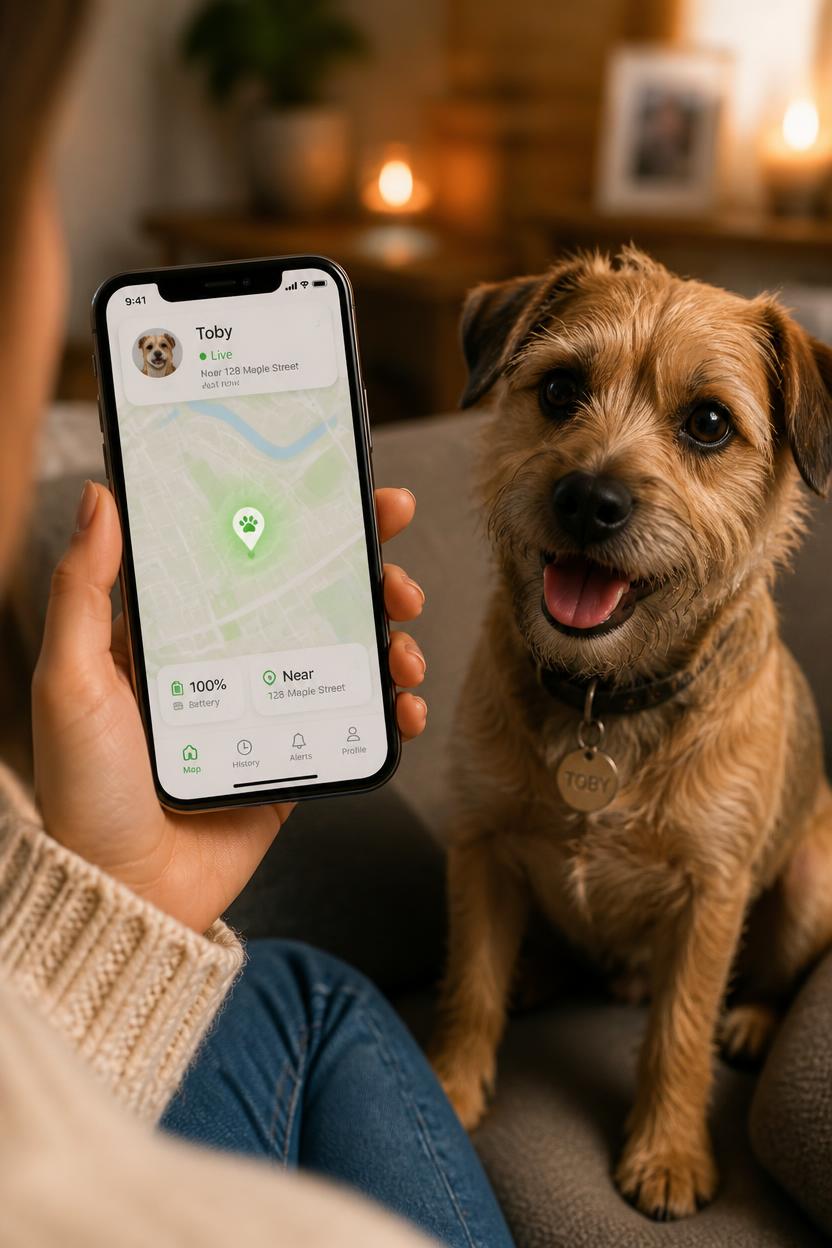
1. Real-Time vs. Last-Known Location
Do you need to see where your pet is right now, or is knowing their last known spot enough?
2. Coverage Area
A tracker is only as useful as the network behind it. Cellular GPS works almost anywhere. Crowd-sourced networks depend on how many compatible devices are nearby.
3. Battery Life
Frequent live updates use more power. Longer battery life often means less frequent — or less precise — location updates.
4. Escape Alerts
A useful alert should tell you the moment your pet leaves a safe zone, not just where they ended up afterward.
5. Ongoing Cost
GPS trackers often require a monthly plan. AirTag-style trackers typically don't, but that trade-off comes with less reliable tracking in low-traffic areas.
🍃 HelloOhNest Insight
The best tracker isn't necessarily the one with the longest range. It's the one that matches how your pet actually behaves.If your dog has escaped before, or roams a large yard, real-time GPS may matter more than battery life.
If your cat rarely leaves the block, a lightweight, low-maintenance tracker may be all you need.
Know the risk first. Then choose the technology.
When a GPS Tracker Makes More Sense

A GPS-focused tracker may be worth considering if:
- Your pet has escaped or run off before
- You live near roads, woods, or large open spaces
- You want real-time location, not just last-seen
- You want geofencing and instant escape alerts
- You want activity and health tracking alongside location
- You're willing to pay for ongoing connectivity
For pet parents managing real escape risk, GPS tracking turns anxiety into an actionable alert.
When an AirTag-Style Tracker Is Enough

You do not necessarily need dedicated GPS hardware.
A Bluetooth-based tracker may be enough if you mainly want to:
- Keep tabs on a mostly indoor or yard-bound pet
- Avoid a monthly subscription
- Get long battery life with minimal upkeep
- Use a device you may already own for other purposes
- Locate your pet within a populated neighborhood
This can be especially attractive if your pet's risk of wandering far is low, and you mainly want a low-cost safety net.
Tractive vs. Apple AirTag: Two Different Approaches
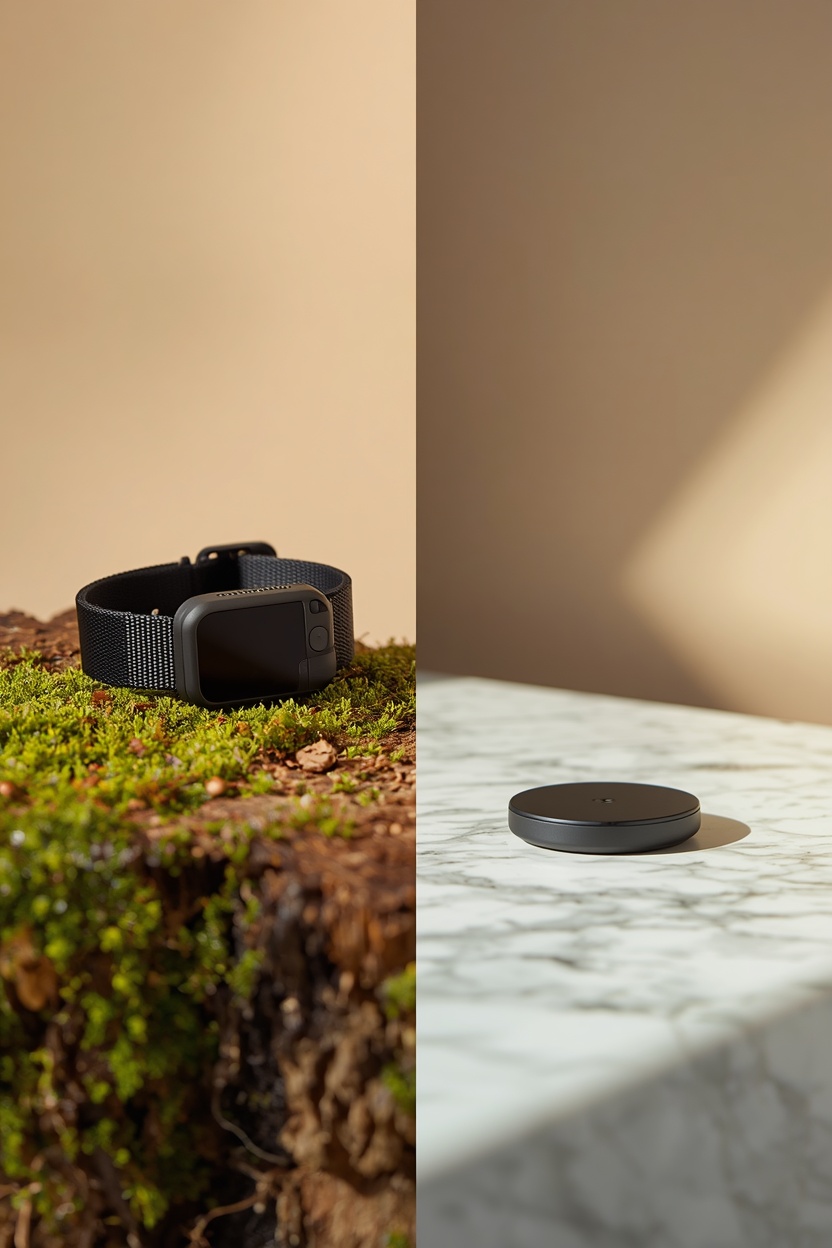
This is less about declaring a universal winner and more about understanding what each approach prioritizes.
🐾 Tractive — Location-first
Tractive is built around continuous, live pet tracking, with features such as real-time GPS, geofencing, escape alerts, and activity monitoring designed specifically for pets.
📍 Apple AirTag — Network-first / flexible
AirTag relies on Apple's device network for location, which works well in populated areas and requires no subscription, but wasn't originally designed with pets — or roaming animals — in mind.
🍃 HelloOhNest Insight
Technology should reduce worry — not add a new thing to check obsessively.The goal isn't to track your pet's every move. It's to know you can find them when it matters most.
So, Which Tracker Should You Choose?
There is no single winner for every household. Start with the risk you're actually trying to manage.
🐾 Choose a GPS Tracker
Escape risk or roaming is real.
You want live location, geofencing, and alerts the moment your pet leaves a safe zone.
📍 Choose an AirTag-Style Tracker
Your pet mostly stays close to home.
You want a low-maintenance, subscription-free way to locate them if they do wander.
🐕 Choose a Combination
You want both.
Some owners use a lightweight tracker day-to-day and reserve GPS tracking for pets with a known history of escaping.
Frequently Asked Questions
Is a GPS tracker better than an AirTag for pets?
It depends on your pet's behavior. GPS trackers are generally better for pets that roam or have escaped before, since they don't rely on nearby devices to report a location.
Do AirTag-style trackers work well for pets?
They can work well in populated areas with many compatible devices nearby, but coverage becomes unreliable in rural or low-traffic locations.
Do GPS pet trackers require a monthly fee?
Most do, since they rely on cellular connectivity to report location in real time.
Can I use a regular AirTag on my pet's collar?
Many owners do, usually with a separate collar mount, though it wasn't designed specifically for pets and lacks pet-specific alerts.
Which tracker has better battery life?
AirTag-style trackers generally last longer between charges or battery replacements, since they don't maintain a constant cellular connection.
Your Pet Doesn't Need the Most Advanced Tracker.
They need the tracker that matches how — and how far — they actually roam.
Start with the risk you're trying to reduce. Then choose the technology that addresses it.