
Search "best dog bed" and you'll get hundreds of nearly identical lists — but the truth is, there's no single best bed, only the best bed for your specific dog and your specific home. A tiny senior chihuahua who sleeps curled in a ball has completely different needs than a large dog who sprawls flat in a sunny hallway. This guide walks through exactly what to consider before you buy, so whatever bed you choose actually gets used instead of ignored in a corner.
📋 What You'll Find In This Guide
- Getting the Size Right
- Match the Bed to Their Sleeping Position
- Washable, Removable Covers
- Material: Memory Foam vs. Traditional Fill
- Where the Bed Lives in Your Home
- Special Considerations for Older Dogs
- Hot & Cold Environments
- Aesthetics: Beds That Fit Your Style
- Our Picks
- Frequently Asked Questions
Getting the Size Right
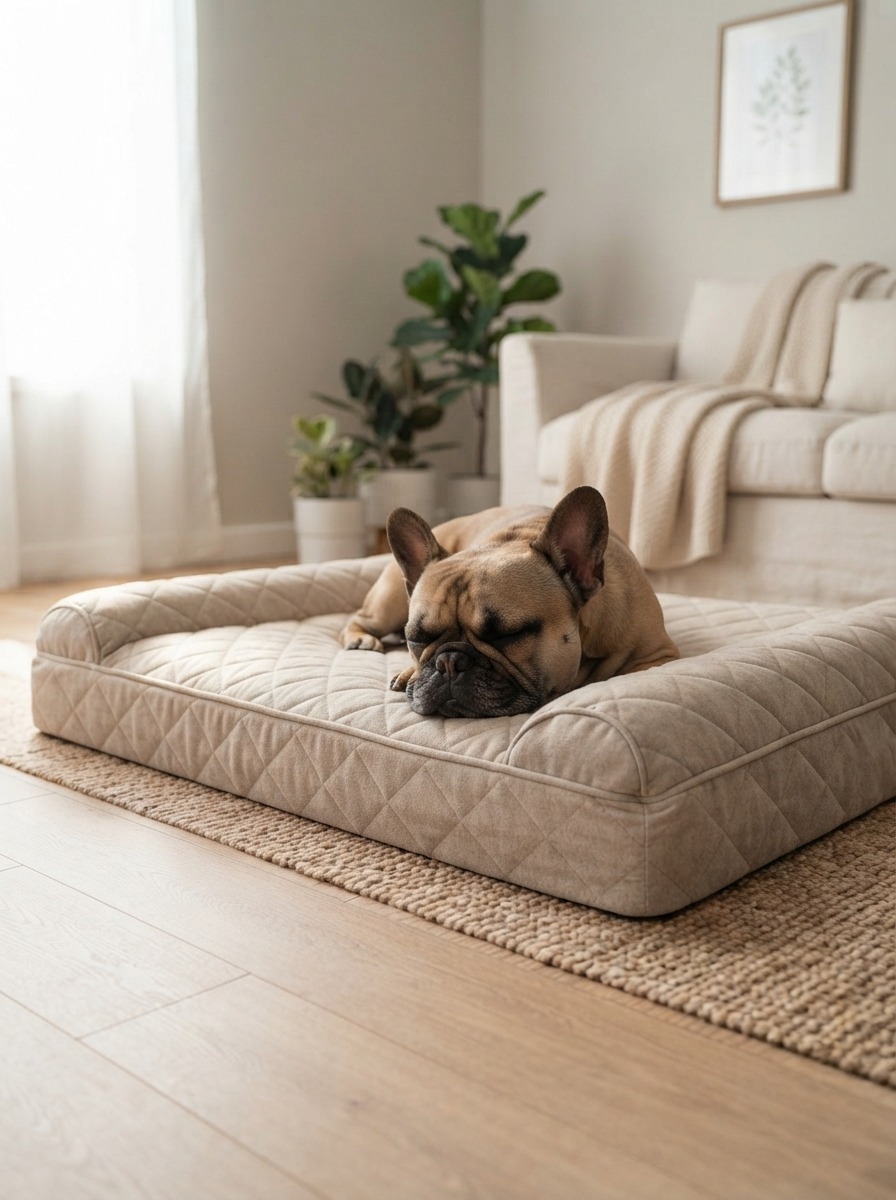
A bed that's too small forces your dog to sleep curled or with limbs hanging off the edge — neither is restful long-term. A bed that's too large can feel exposed and less secure, especially for anxious dogs who prefer to feel tucked in.
- Measure your dog lying fully stretched out, nose to tail, and add 6–12 inches on each side
- For dogs that curl up tightly, a slightly smaller, rounded bed often feels cozier than an oversized rectangle
- If you have a growing puppy, size for their expected adult size rather than replacing the bed repeatedly
Match the Bed to Their Sleeping Position
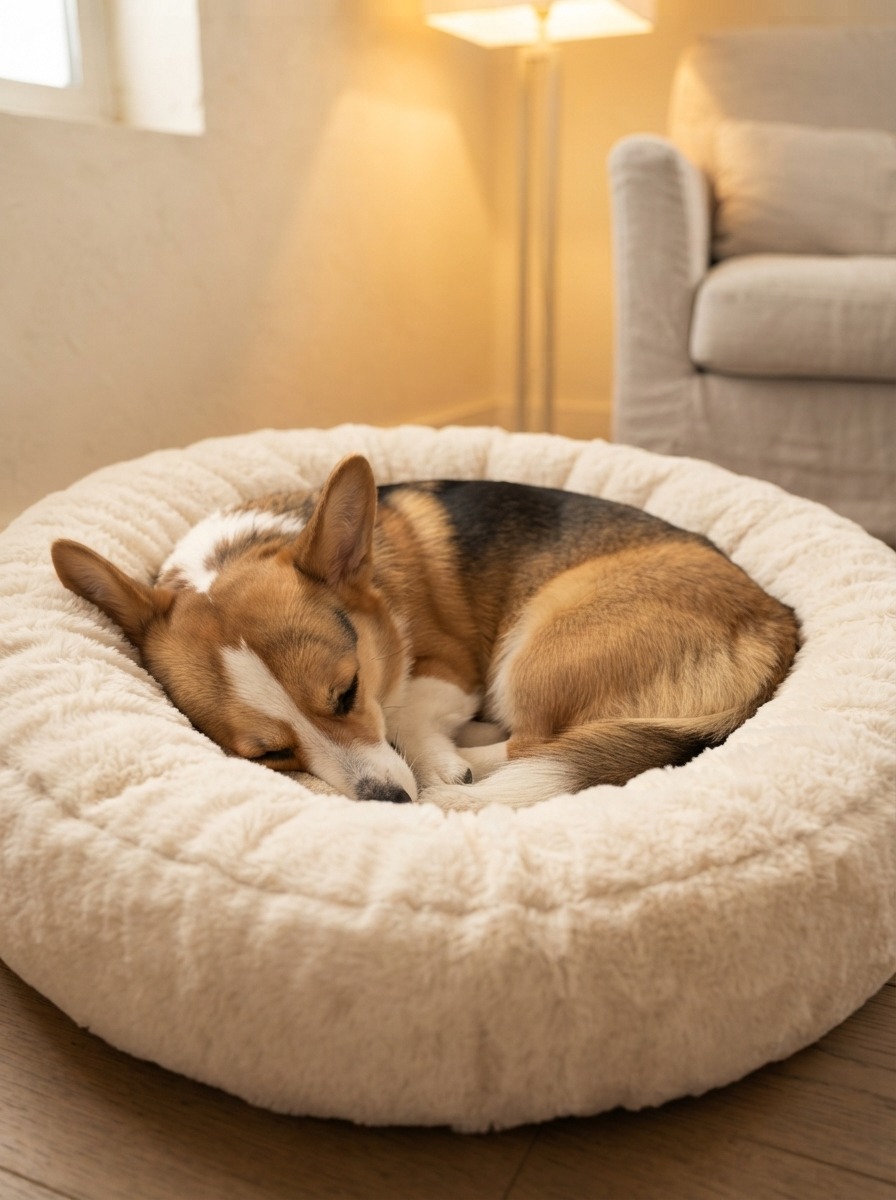
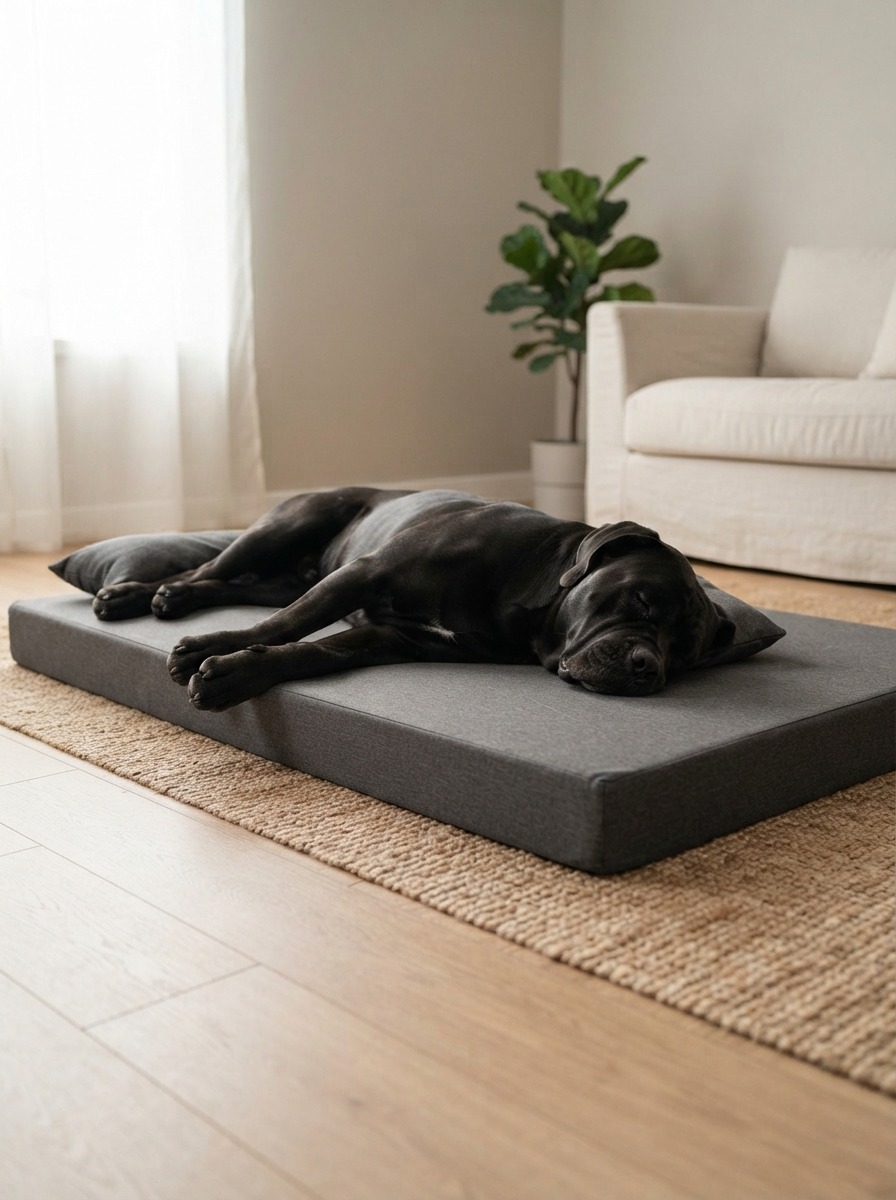
Watch how your dog actually sleeps before choosing a shape — this matters more than most people realize.
- Curls into a ball: a round, bolstered "nest" bed with raised edges gives something to lean against
- Sprawls flat on their side: a flat rectangular mattress-style bed with no raised sides works better and stays cooler
- Sleeps on their back, legs up: a wide, flat bed with soft but supportive fill gives room to stretch without restriction
- Burrows or digs before lying down: a bed with a blanket layer or a "burrow" style pocket satisfies that instinct
🌿 HelloOhNest Insight
Before buying anything, watch your dog's current napping spot for a week — the couch cushion, the cool tile floor, the corner behind a chair. Their instinctive choice tells you more about the shape, firmness, and location they actually want than any product description will.
Washable, Removable Covers
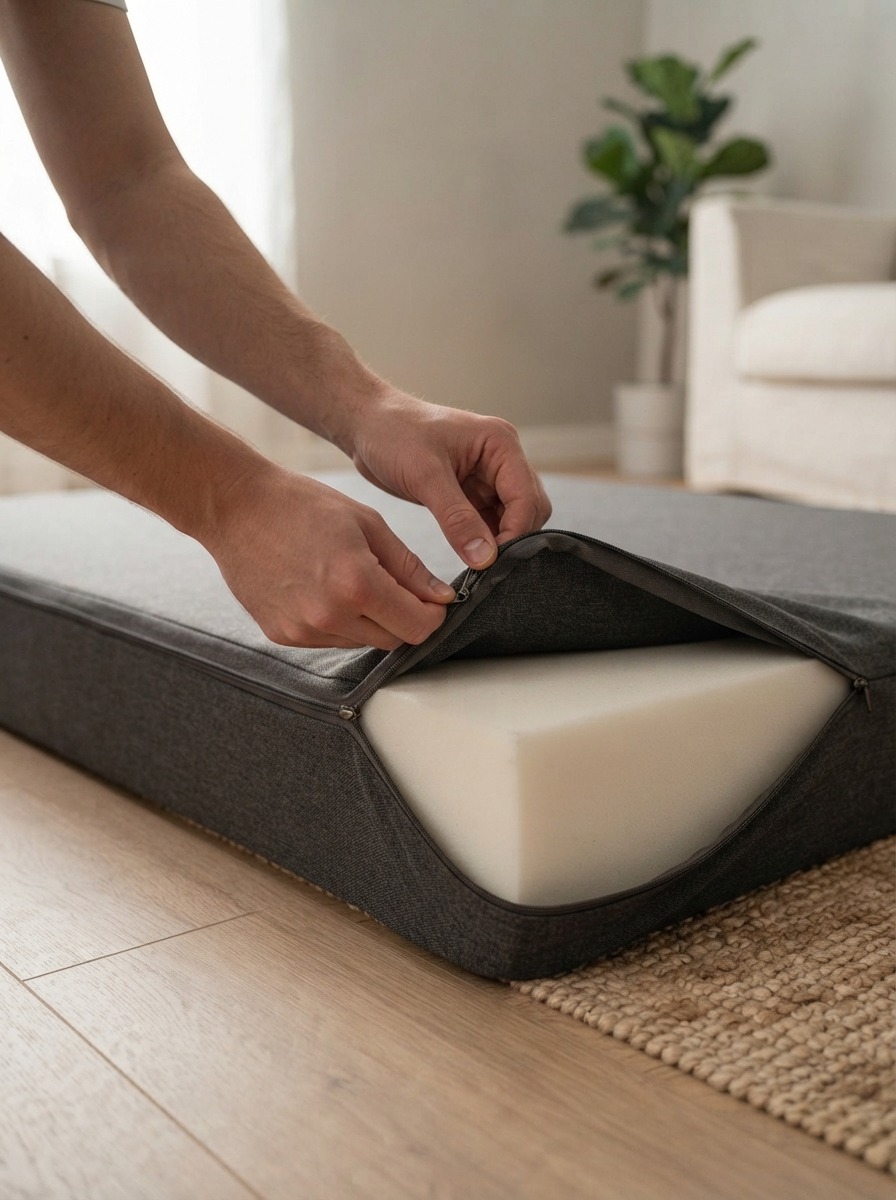
Pet beds absorb dirt, drool, shed fur, and the occasional muddy paw print — a cover that can be unzipped and thrown in the wash saves you from replacing the entire bed every few months.
- Look for a zippered, removable outer cover rather than a fully sewn-shut design
- Machine-washable, dryer-safe fabric holds up better long-term than delicate materials needing hand-washing
- A spare cover lets you wash one while the other stays on the bed — handy for multi-dog households or heavy shedders
Material: Memory Foam vs. Traditional Fill
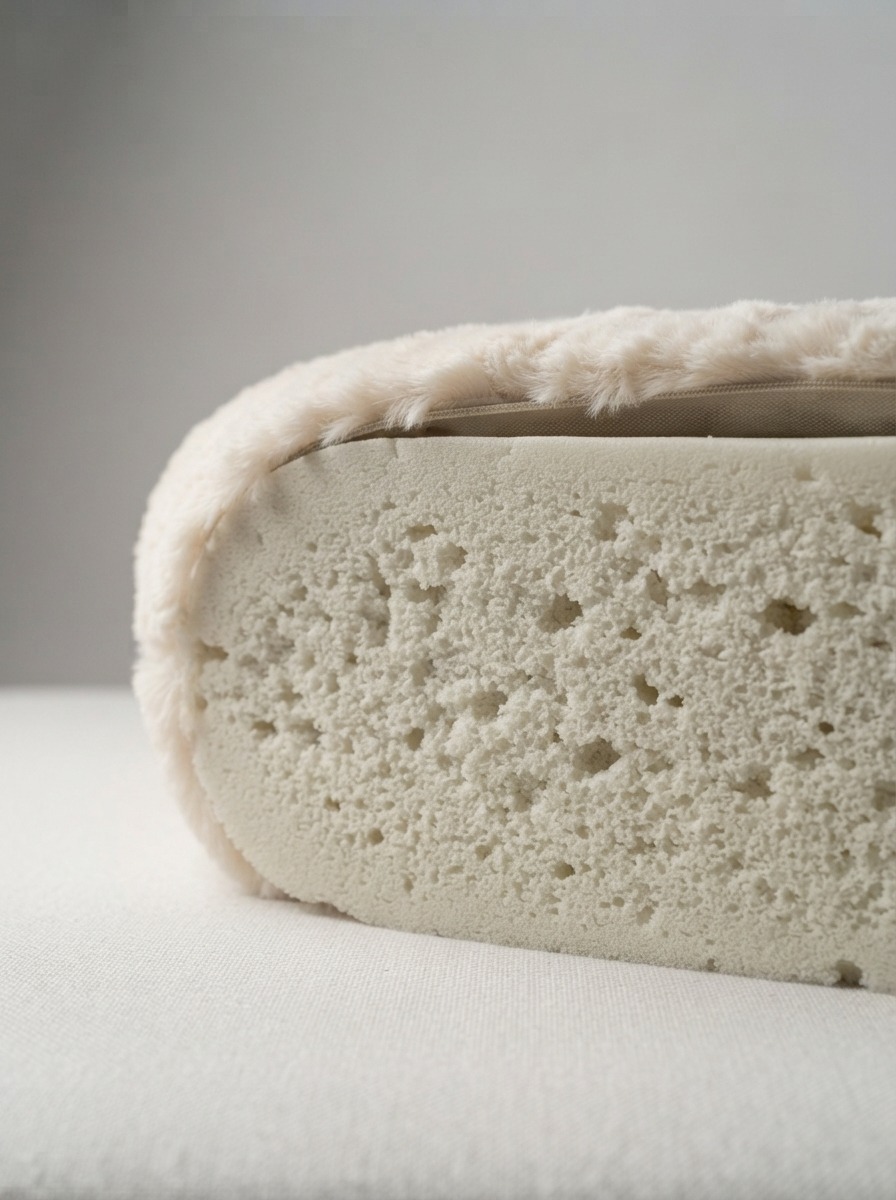
Fill material affects support, durability, and how well the bed holds its shape over time.
- Memory foam: contours to the body and supports joints well — a strong choice for larger or older dogs
- Polyester fiberfill: softer and more affordable, but flattens with heavy or prolonged use and needs replacing sooner
- Bolstered/pillow-top designs: combine a supportive base with a plush top layer, good for dogs who like to rest their head on a raised edge
Where the Bed Lives in Your Home
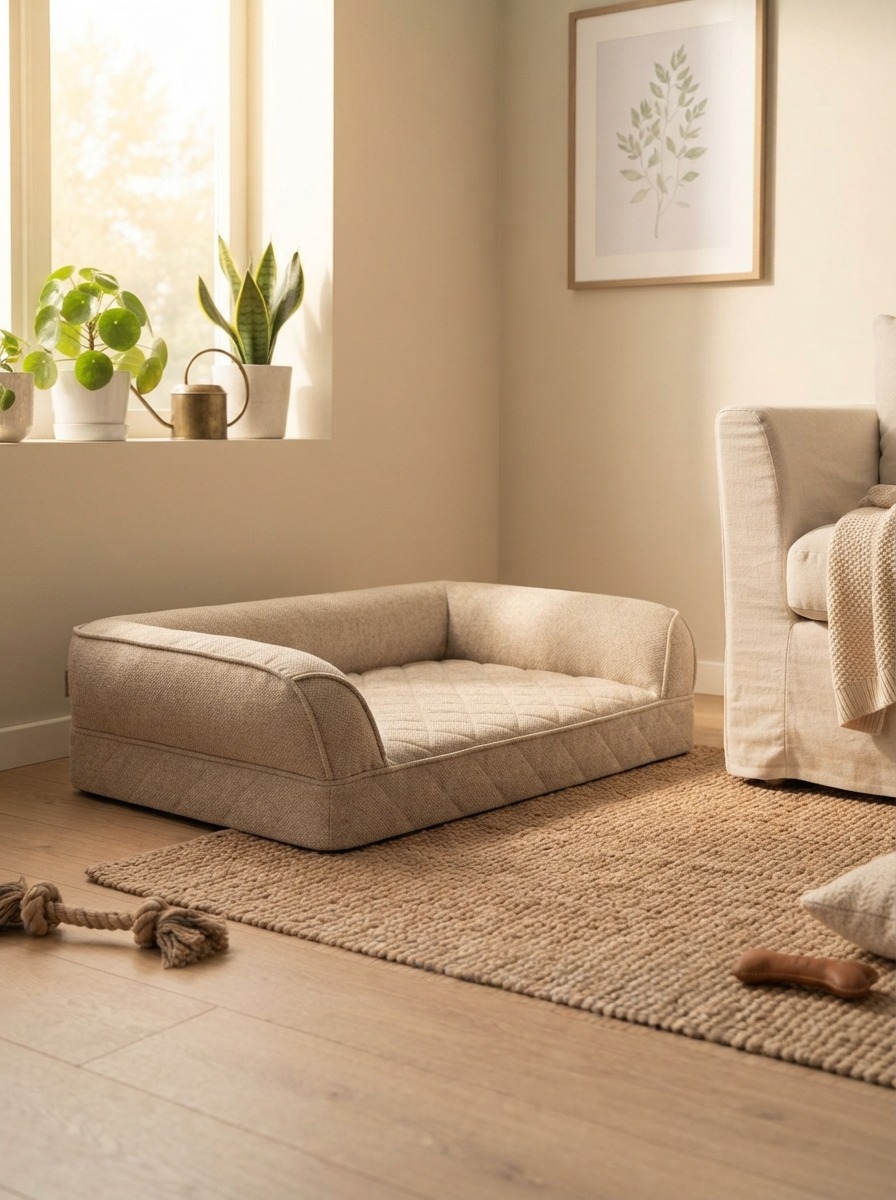
The best bed in the world won't get used if it's in the wrong spot. Dogs generally prefer a location that lets them see the room without being in the middle of foot traffic.
- Place beds in a quiet corner with a view of the main household activity, not tucked out of sight
- Avoid direct heating or AC vents, and drafty spots near exterior doors
- For multi-dog households, give each dog their own bed in a separate spot to reduce resource guarding or competition
- Consider one bed per main living area if your dog moves between rooms with you throughout the day
Special Considerations for Older Dogs
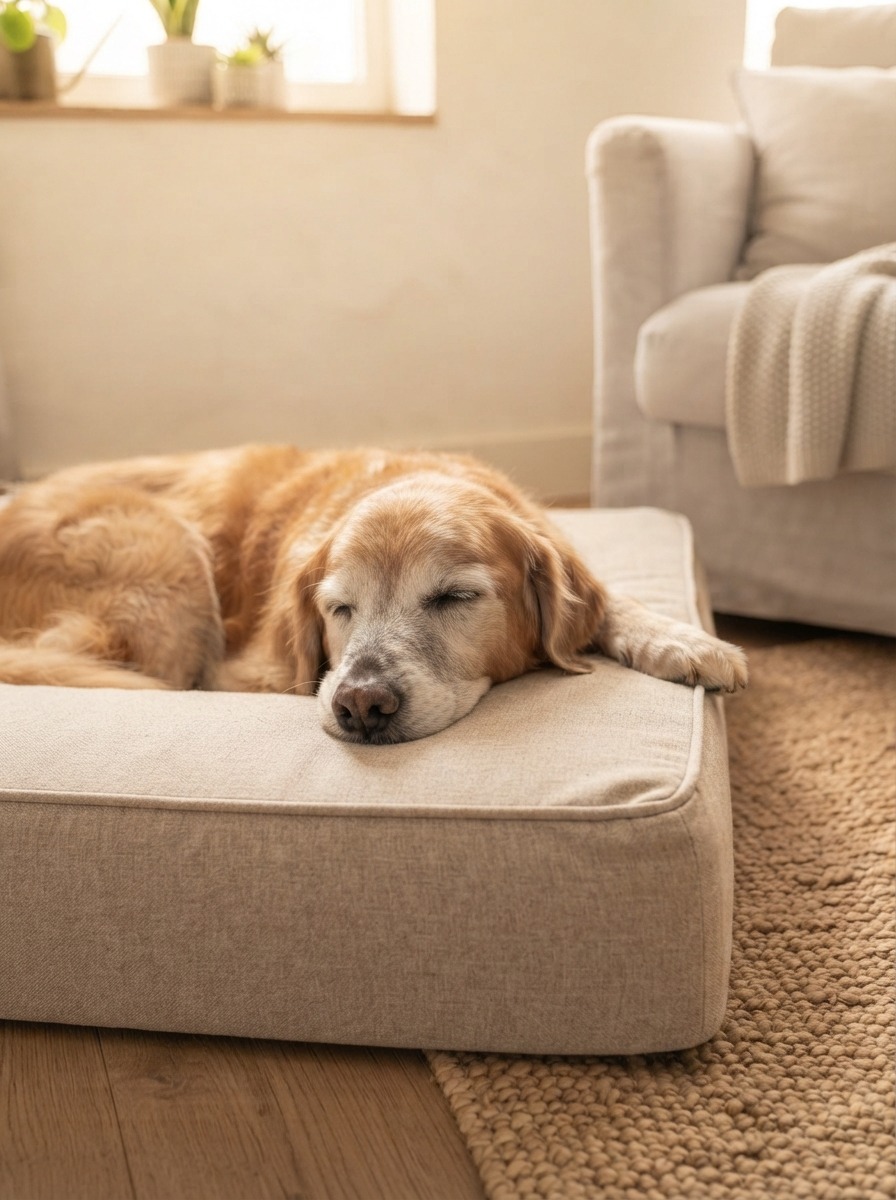
Older dogs, especially larger breeds, often deal with joint stiffness or arthritis — and the right bed can noticeably improve their comfort and mobility.
- Orthopedic memory foam beds reduce pressure on joints better than standard fiberfill
- Low-profile or ramp-accessible beds help dogs with mobility issues get in and out easily
- Raised or bolstered edges give extra support for dogs that have trouble finding a comfortable position
- Machine-washable covers matter even more here, since senior dogs may have more frequent accidents
Hot & Cold Environments
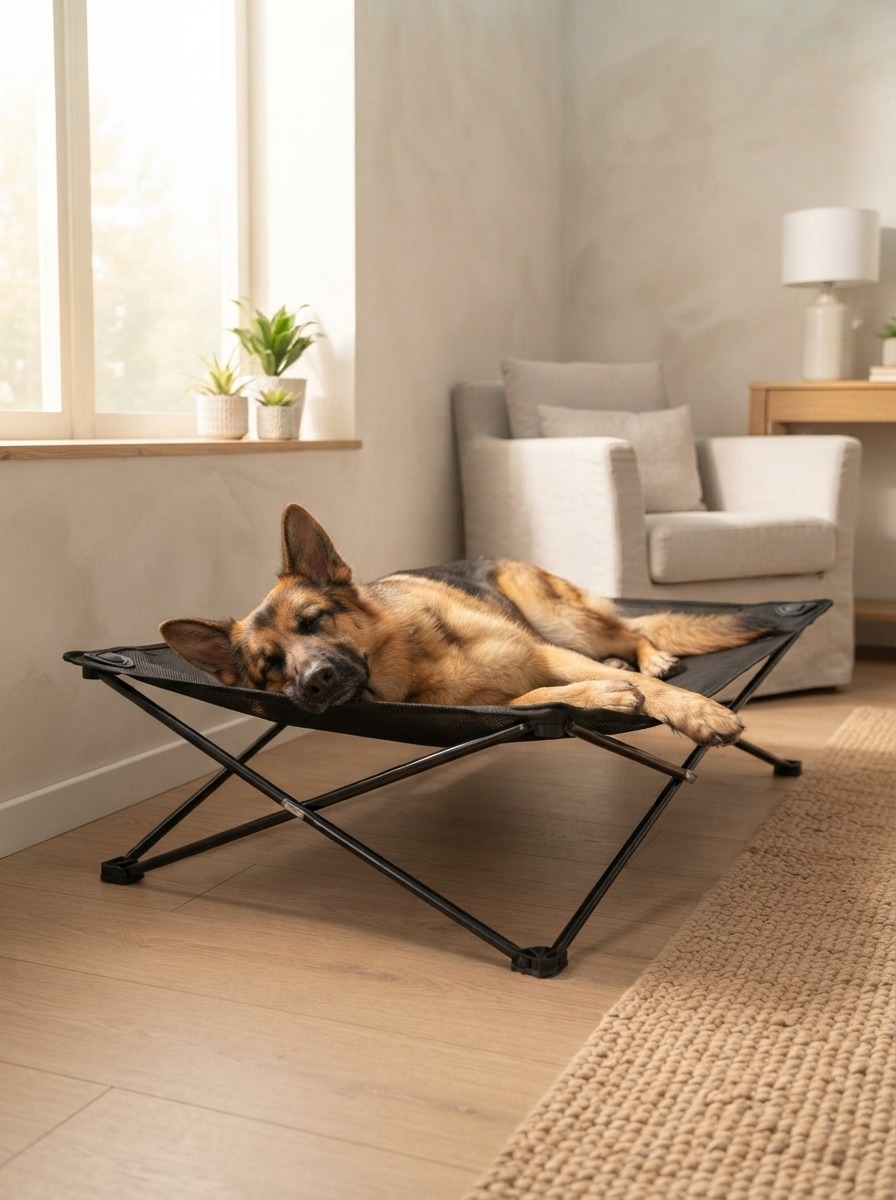
Climate and household temperature affect which fabric and fill will actually keep your dog comfortable year-round.
- Warm climates or sunny rooms: breathable, cooling-gel or mesh fabrics prevent overheating during naps
- Cold climates or drafty floors: plush, insulated beds or raised designs that keep dogs off cold flooring hold in body heat better
- Year-round comfort: some households keep two beds — a cooling mat for summer and a plush bed for winter
🌿 HelloOhNest Insight
If your dog keeps abandoning their bed for the tile floor in summer, it's not a rejection of the bed — it's a temperature complaint. Swapping in a breathable, cooling-fabric option often solves it instantly.
Aesthetics: Beds That Fit Your Style
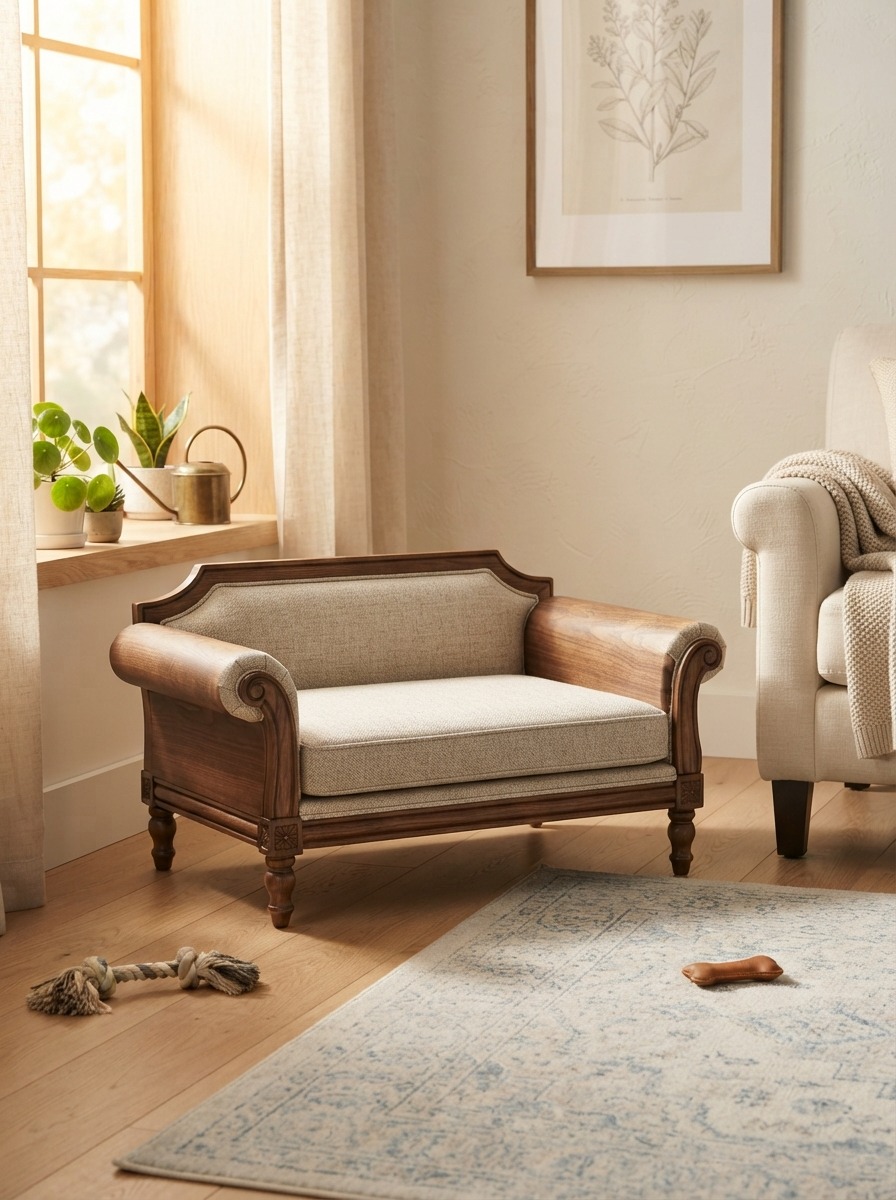
Function matters most, but there's no reason a pet bed has to clash with your home. Many brands now offer neutral tones and simple silhouettes designed to blend into your living space rather than stand out as "pet gear."
- Neutral, muted colors (cream, sage, warm gray) blend more easily into most home styles than bright patterns
- Woven or textured covers can echo other textiles already in the room
- Elevated wooden-frame beds double as a small piece of furniture rather than just a floor cushion
Our Picks
🛒 Product Recommendations — Coming Soon
We're currently testing and curating our top pet bed picks across each category above (best for small spaces, best orthopedic option, best budget pick, and more). Check back soon, or explore our other Smart Pet Living guides in the meantime.
Frequently Asked Questions
How often should I replace my dog's bed?
Most beds need replacing every 1–3 years depending on material and how heavily they're used. Watch for flattened filling, torn seams, or a smell that doesn't come out after washing — all signs it's time for a new one.
Is memory foam worth the extra cost?
For larger dogs, older dogs, or dogs with joint issues, memory foam is often worth it since it reduces pressure points and holds its shape far longer than standard fiberfill. For small, young, healthy dogs, a quality fiberfill bed may be perfectly sufficient.
My dog won't use their new bed — what should I try?
Place it in a location they already gravitate toward, add a worn t-shirt with your scent on it, and give it time — some dogs take a week or two to adopt a new bed, especially if the shape or firmness feels unfamiliar.
Should I get one large bed or multiple smaller beds around the house?
If your dog follows you between rooms throughout the day, having a bed in each main living area often gets more consistent use than a single bed in one bedroom they only visit at night.
With love,
The HelloOhNest Team 🌿